
Vannes industrielles
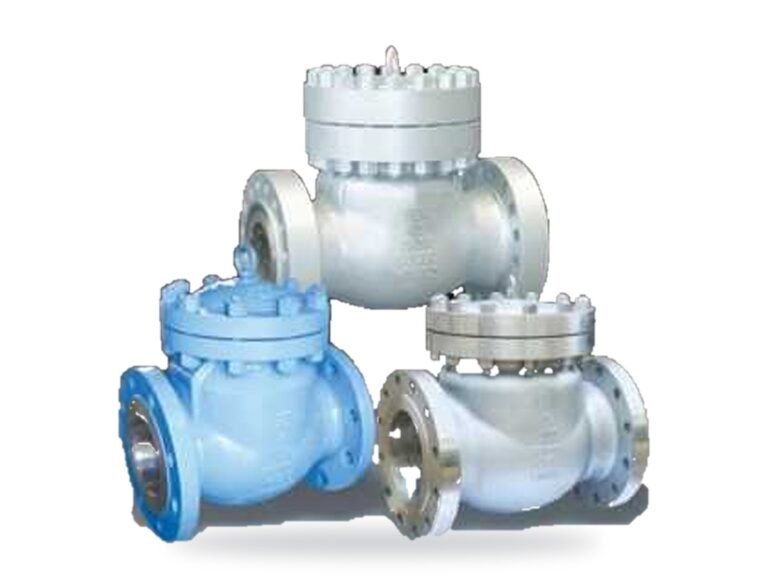
Gamme de produits
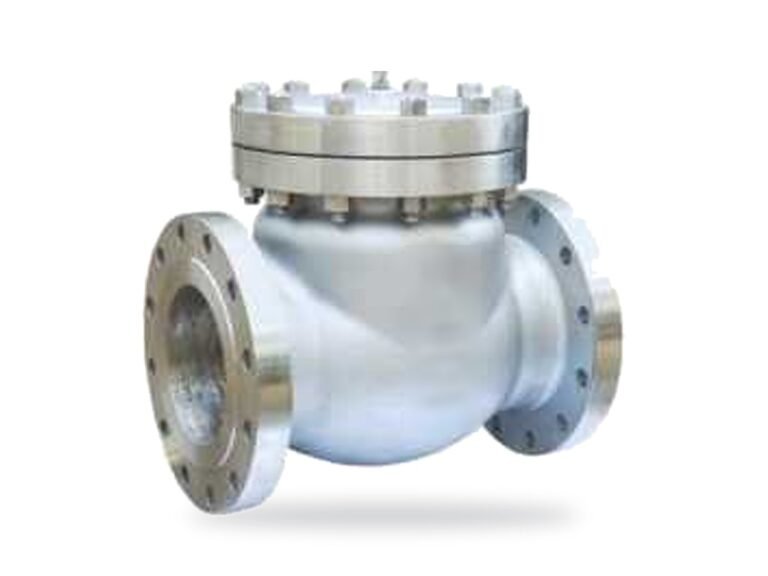
Clapet anti-retour oscillant
Bolted bonnet, renewable seat; low pressure drop, piggable option.
View details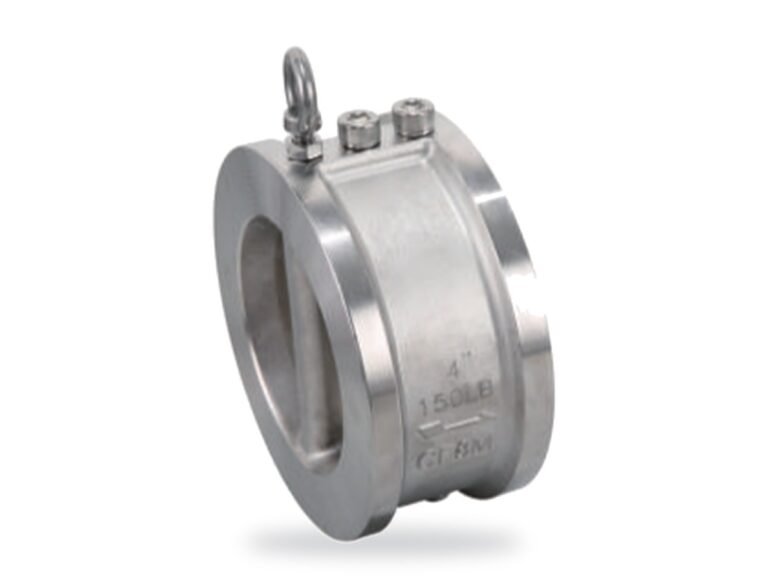
Dual Plate Wafer Check Valve
API 594; spring-assisted fast closing, short length; wafer, lug or flanged.
View details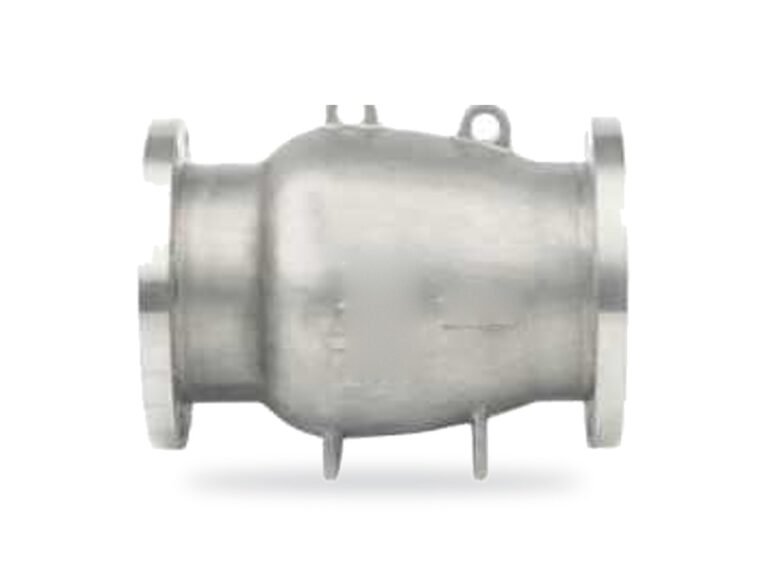
Axial Flow Nozzle Check Valve
2″–60″, Class 150–1500; spring-loaded disc, non-slam closing, low pressure drop.
View detailsCheck valve designs
Clapet anti-retour à battant
The classic design: a hinged disc opens with the flow and closes onto its seat when flow reverses. Pressure drop is low when fully open, and the bolted cover and renewable seat ring make maintenance easy. The pipeline version (API 6D) provides a full opening suitable for pigging. See clapets anti-retour à battant.
Dual plate wafer check valve (API 594)
Two half-discs close around a central hinge pin with spring assistance. The valve is short and light; the springs close it quickly when flow stops, which limits reverse flow velocity and reduces water hammer. Wafer, lug and double-flanged types are available. See dual plate check valves.
Axial flow (nozzle) check valve
The disc travels a short distance inside a diffuser on the flow axis and, assisted by a spring, closes just before flow stops. This largely prevents the slam and pressure surge seen with swing check valves, so the design is preferred at compressor and pump discharges and on large pipelines. See axial flow check valves.
Forged and DIN / EN check valves
Lift (piston), ball and swing check valves for small-bore, high-pressure lines are covered under API 602 forged steel valves. Swing and lift check valves with EN 558 face-to-face dimensions and EN 1092-1 flanges in PN16–PN64 are covered under DIN / EN valves.
How to choose a check valve
- Minimum flow velocity: check the velocity needed to keep the disc fully open and stable; an oversized check valve flutters and wears early.
- Installation position: horizontal, or vertical with upward flow? Not every type suits every position.
- Water hammer risk: when a pump stops, spring-assisted dual plate and axial flow designs close fast; counterweighted swing designs are another option.
- Pressure drop and length constraints: compact dual plate wafer types.
- Pigging: full-opening API 6D swing check valve.
Our article check valve types explained compares the designs in more detail.
Standards
- BS 1868 / ASME B16.34: steel swing check valves.
- API 6D: pipeline check valves.
- API 594: flanged, lug, wafer and butt-weld check valves, including dual plate types.
- API 602: forged steel check valves, DN100 and smaller.
- ASME B16.10: face-to-face dimensions of flanged swing check valves.
- EN 558 / EN 1092-1: face-to-face and flange dimensions of DIN-type check valves.
- API 598 / EN 12266-1: pressure testing.
At a glance
| Gamme de tailles | ½”–60″ (DN15–DN1500); larger sizes on a project basis; forged lift type typically ½”–2″ |
|---|---|
| classe de pression | ASME Class 150–2500; PN16–PN64 in the DIN series |
| End connections | RF / RTJ flanged, wafer, lug, BW, SW, threaded (NPT) |
| Designs | Swing, spring-assisted dual plate, lift / piston, axial flow (nozzle) |
| Seat | Metal (hardfaced) or soft seated; renewable seat ring |
| Body materials | WCB, A105N, LCC, CF8M, F316, duplex and special alloys |
Documentation and testing
On industrial projects the documentation package matters as much as the valve. We confirm the certificate and test scope for every line item at quotation stage:
- EN 10204 3.1 material certificates for pressure-retaining and wetted parts, traceable by heat number
- EN 10204 3.2 with third-party inspection, on request
- Pressure test reports to API 598 or EN 12266-1: shell, seat and, where specified, gas tests
- Fire-test certificates (API 607 / ISO 10497) for fire-safe type-tested designs
- PMI reports for alloy and stainless materials
- Dimensional, visual and coating inspection records
- PED 2014/68/EU CE declaration for equipment within its scope
- NACE MR0175 / ISO 15156 compliance statement for sour (H₂S) service
Technical datasheets
- PDFClapet anti-retour oscillantPDF · English · 2–3 pages
- PDFDual Plate Wafer Check ValvePDF · English · 2–3 pages
- PDFAxial Flow Nozzle Check ValvePDF · English · 2–3 pages
Foire aux questions
Swing check or dual plate check valve?
A swing check valve suits low pressure drop, pigging and high temperature, but it can close slowly and takes more space. A dual plate wafer check valve is compact and light, and its spring-assisted fast closing reduces the risk of water hammer in pump lines.
Why does a check valve chatter or slam?
The most common cause is a flow velocity too low to hold the disc fully open. A check valve sized to the line rather than to the actual flow flutters in a partly open position, and its seat and hinge wear quickly. Check the manufacturer’s minimum velocity during selection.
Which check valve can be used in a vertical line?
With vertical upward flow, dual plate, spring-loaded lift and suitably designed swing check valves can be used. Most check valves do not work reliably with vertical downward flow; confirm the design with the manufacturer.
Why is an axial flow check valve used at compressor discharge?
When a compressor stops, gas backflow develops very quickly, and a check valve that closes late can let the compressor run backward and be damaged. The short-stroke, spring-loaded disc of an axial flow check valve closes quickly to protect the compressor and stays stable in pulsating flow.
Related categories
Vannes en acier forgé API 602
Compact forged gate, globe and check valves to API 602 / ISO 15761; Class 800 and 1500; SW, NPT, BW ends.
View details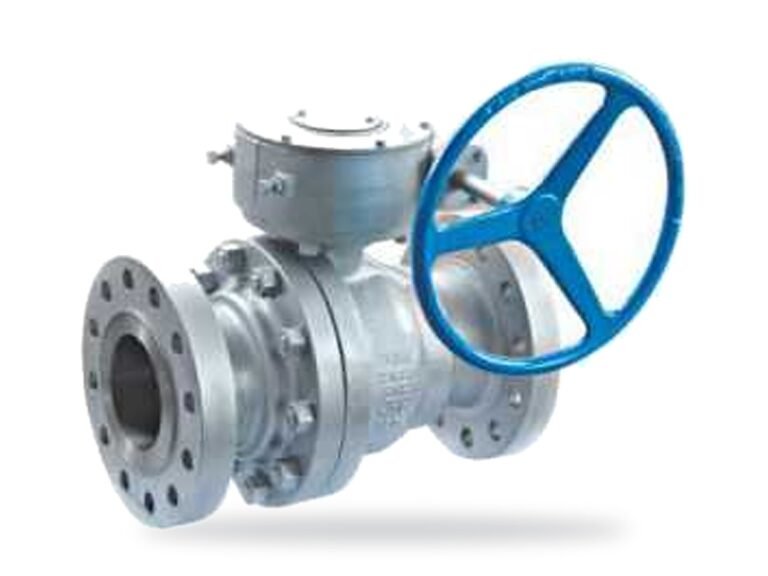
Vannes DIN / EN
DIN 3352 / EN 1984 gate, DIN 3356 / EN 13709 globe, EN 16767 check and EN 1983 ball valves; PN16–PN100.
View details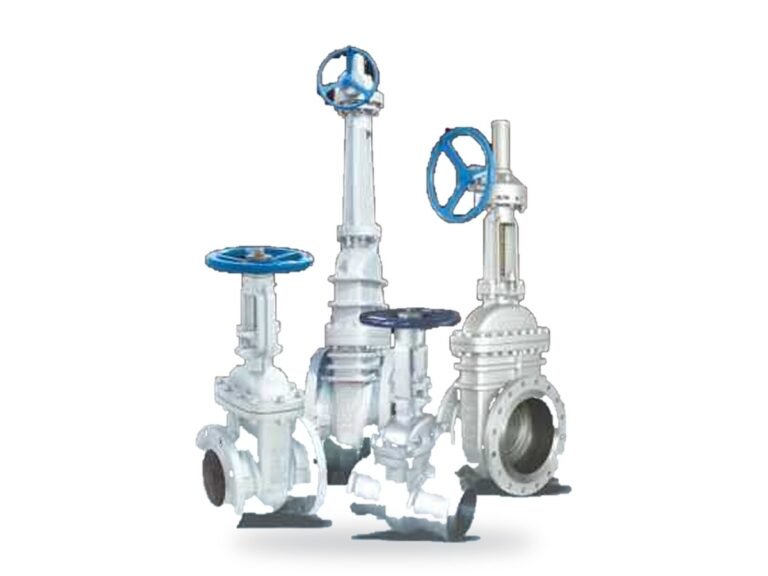
Cast Steel Gate & Globe Valves
API 600, pressure seal and API 6D slab gate valves; BS 1873, bellows seal and angle globe valves.
View details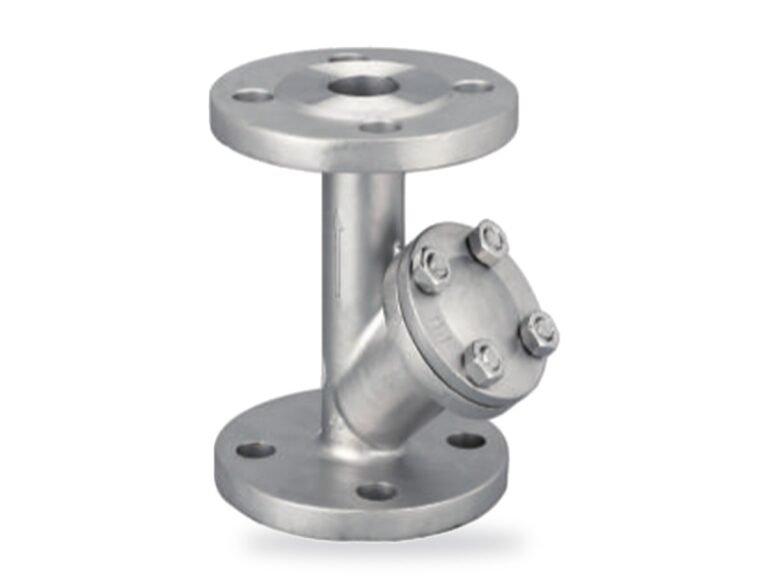
Industrial Strainers
Y-type, basket and duplex basket strainers in carbon and stainless steel; PN16 / PN40, Class 150 / 300.
View detailsRequest a quote: Industrial Check Valves
Share your valve list, datasheet or project specification. We review standards, materials and documentation line by line and return an itemized offer, with any deviation from the specification stated in writing.