
Industrial Valves

Product range
API 602 Forged Steel Gate Valve
½”–2″, Class 800 and 1500; NPT, SW, BW and flanged ends.
View details
API 602 Forged Steel Globe Valve
½”–2″, Class 800 and 1500; drain, vent and instrument lines.
View details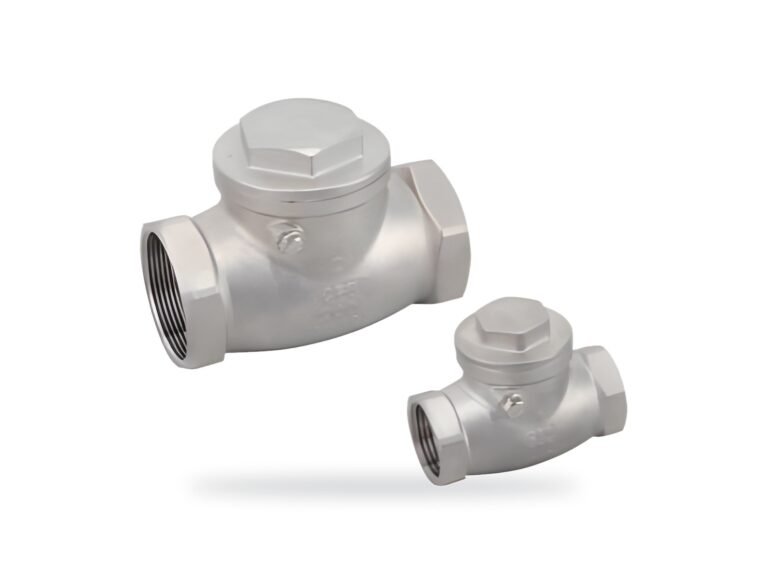
API 602 Forged Steel Check Valve
Lift, ball and swing types; ½”–2″, Class 800 and 1500.
View detailsForged valve designs
Forged gate valve
A compact isolation valve for small-bore lines, with bolted (OS&Y) or welded bonnet to API 602 (pressure seal bonnets in Class 1500–2500 are built to ASME B16.34) and standard (reduced) or full port, used fully open or fully closed. See forged gate valves.
Forged globe valve
Tight shutoff and flow regulation in small sizes; the typical valve for steam drain and vent points and instrument lines. See forged globe valves.
Forged check valve
Lift (piston), ball and swing designs. Lift and piston types seal well in small-bore, high-pressure and vibrating lines and are common in steam and process service. See forged check valves.
For larger sizes, see cast steel gate and globe valves and industrial check valves.
Standards
- API 602 / ISO 15761: compact steel gate, globe and check valves, DN100 and smaller.
- ASME B16.34: pressure-temperature ratings, including Class 2500.
- ASME B16.11 / ASME B1.20.1 / ASME B16.25 / ASME B16.5: socket weld, NPT threaded, butt-weld and flanged ends.
- API 598: shell and seat pressure testing.
- ISO 15848-1 / API 624: low-emission packing type tests, on request.
Background: API 600, 602 and 623 valve standards decoded.
How to choose a forged valve
- Function: gate valve for isolation; globe valve at drain and vent points that need throttling, frequent operation or tighter shutoff; check valve against backflow.
- Material combination: A105 / F6a for general hydrocarbon, water, air and steam; hardfaced seats for steam, high temperature and abrasive service; LF2 / 304 for low temperature (down to approximately −46 °C); F11 for superheated steam; F304 or F316 for corrosive service; F51 duplex for chloride environments (seawater depending on conditions).
- Bonnet: bolted (OS&Y) as the common design, welded where an extra safeguard against leakage is needed; pressure seal designs in high classes are built to ASME B16.34.
- End connection: socket weld, NPT threaded, butt weld or flanged, to match the piping class.
- Port: standard (reduced) or full port.
- Emissions and sour service: low-emission packing to ISO 15848-1 / API 624 on request; materials and hardness to NACE MR0175 / ISO 15156 for H₂S service.
At a glance
| Size range | Typically ½”–2″; API 602 covers DN100 (4″) and smaller |
|---|---|
| Pressure class | Class 800 and 1500 (API 602); Class 2500 (ASME B16.34) |
| End connections | Socket weld (ASME B16.11), threaded NPT (ASME B1.20.1), butt weld (ASME B16.25), flanged (ASME B16.5) |
| Bonnet | Bolted (OS&Y), welded (API 602); pressure seal to ASME B16.34 |
| Port | Standard (reduced) or full port |
| Check valve designs | Lift (piston), ball, swing |
| Body materials | A105, A105N, A350 LF2, A182 F11, F304, F316, F51 |
| Testing | API 598; low-emission packing type-tested to ISO 15848-1 / API 624 on request |
Documentation and testing
On industrial projects the documentation package matters as much as the valve. We confirm the certificate and test scope for every line item at quotation stage:
- EN 10204 3.1 material certificates for pressure-retaining and wetted parts, traceable by heat number
- EN 10204 3.2 with third-party inspection, on request
- Pressure test reports to API 598 or EN 12266-1: shell, seat and, where specified, gas tests
- Fire-test certificates (API 607 / ISO 10497) for fire-safe type-tested designs
- PMI reports for alloy and stainless materials
- Dimensional, visual and coating inspection records
- PED 2014/68/EU CE declaration for equipment within its scope
- NACE MR0175 / ISO 15156 compliance statement for sour (H₂S) service
Technical datasheets
- PDFAPI 602 Forged Steel Gate ValvePDF · English · 2 pages
- PDFAPI 602 Forged Steel Globe ValvePDF · English · 2 pages
- PDFAPI 602 Forged Steel Check ValvePDF · English · 2 pages
Key data and document numbers for all 34 series are on the industrial valve datasheets page.
Frequently Asked Questions
What is the difference between API 602 and API 600?
API 602 covers compact steel valves of DN100 and smaller, mostly forged-body valves in ½”–2″, and includes pressure classes of its own such as Class 800. API 600 covers cast steel bolted bonnet gate valves with flanged or butt-weld ends, generally 2″ and larger. See cast steel gate and globe valves.
Forged gate valve or forged globe valve?
Choose a gate valve for fully open or fully closed isolation. Choose a globe valve at drain and vent points that need throttling, frequent operation or tighter shutoff.
Which material combination should I specify?
A105 with 13Cr (F6a) trim covers general hydrocarbon, water, air and steam service; add hardfaced seats for steam, high temperature and abrasive service. Use LF2 with 304 trim for low temperatures down to approximately −46 °C, F11 for superheated steam, F304 or F316 for corrosive service and F51 duplex for chloride environments (seawater depending on conditions).
How are forged lift check valves installed?
Lift (piston) check valves without springs are generally installed in horizontal lines with the cover on top. Spring-loaded designs can also be used in vertical and other positions; state the installation position in the order.
Related categories
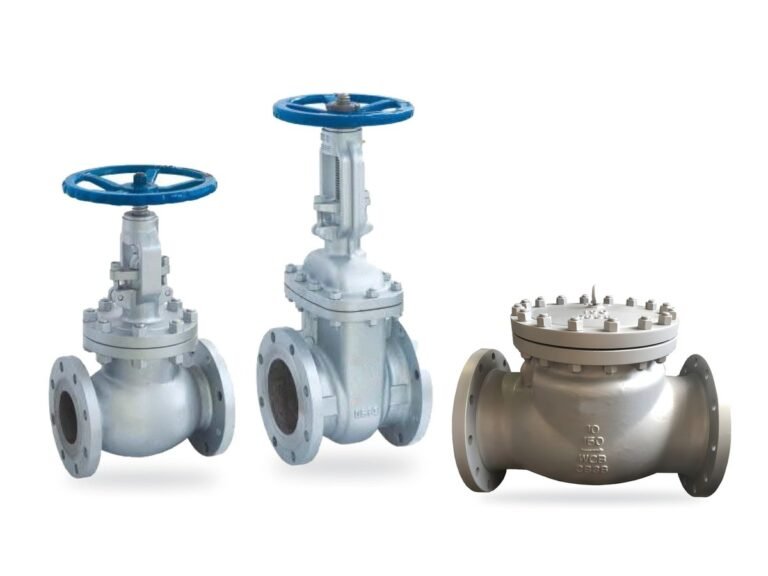
Cast Steel Gate & Globe Valves
API 600, pressure seal and API 6D slab gate valves; BS 1873, bellows seal and angle globe valves.
View details
Industrial Check Valves
Swing (BS 1868 / API 6D), API 594 dual plate wafer and axial flow nozzle check valves; Class 150–2500.
View details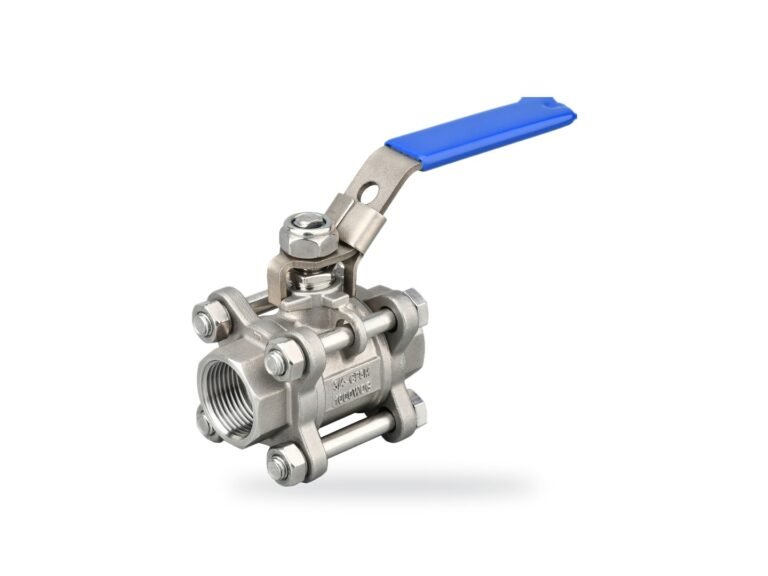
Stainless Steel Valves
CF8 (304) and CF8M (316) threaded and flanged ball valves, API 603 gate valves and duplex F51 / F55 options.
View details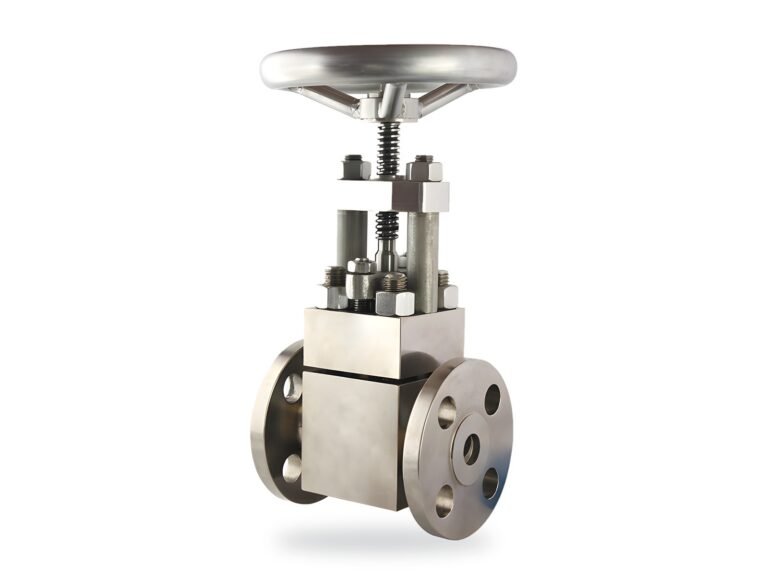
Special Alloy Valves
Duplex, super duplex, nickel alloy, titanium, zirconium and nickel-aluminum bronze valves for corrosive service.
View detailsRequest a quote: API 602 Forged Steel Valves
Share your valve list, datasheet or project specification. We review standards, materials and documentation line by line and return an itemized offer, with any deviation from the specification stated in writing.