
Industrial Valves
Product range
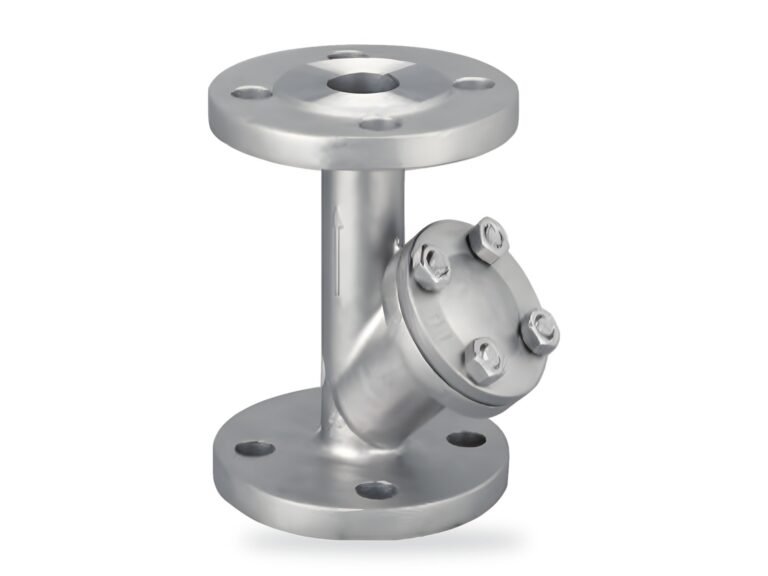
Y Strainer
Stainless and carbon steel; PN16/PN40, Class 150/300; blow-off connection.
View details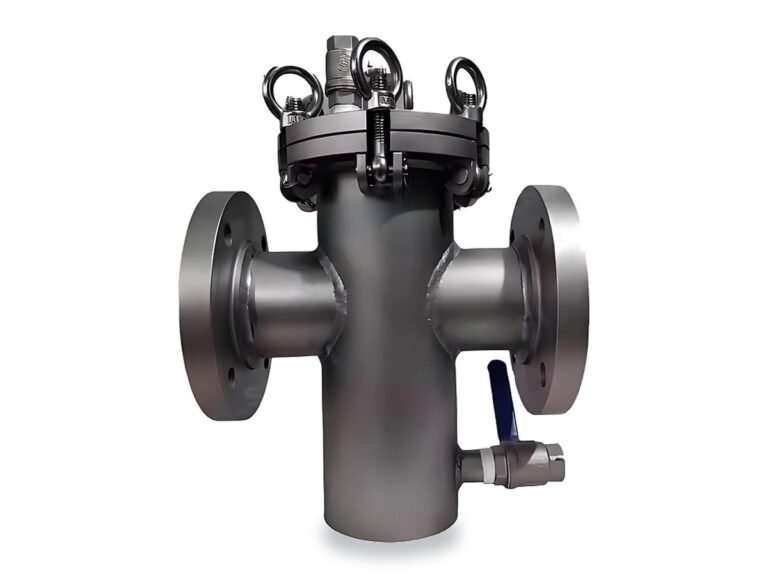
Basket Strainer
High dirt-holding capacity; simplex and duplex, uninterrupted operation.
View detailsStrainer types
Y-type strainer
The screen sits in an angled leg of the body; the design is compact and economical. It can be installed in horizontal lines and in vertical lines with downward flow. The screen cover is removed for cleaning, and a blow-off connection allows partial cleaning during operation. See Y-strainers.
Basket strainer
The large basket holds more debris with lower pressure drop, which suits high dirt loads and large pipe sizes. Where operation must not be interrupted, duplex (twin-basket) strainers keep one basket in service while the other is cleaned. See basket strainers.
Temporary (conical) start-up strainers
Conical or flat screens installed between flanges during the commissioning of new plants and removed after the initial flushing.
Our guide Y-strainers vs basket vs duplex strainers compares the options.
Screen selection
The screen opening is selected by the sensitivity of the protected equipment: pumps usually take perforated plate (for example 1.5–3 mm), while control valves, steam traps and instruments need finer wire mesh screens. The finer the screen, the faster it clogs and the faster the pressure drop rises, so a differential pressure gauge is recommended with fine screens.
At a glance
| Types | Y-type (flanged, threaded, butt weld); basket (single, duplex); temporary conical strainers |
|---|---|
| Pressure class | PN16, PN40 (EN 1092-1); ASME Class 150, 300 |
| Body materials | WCB / A105 (carbon steel), CF8 / CF8M (stainless) |
| Screen | 304 / 316 stainless perforated plate or wire mesh; opening to suit the protected equipment |
| Connections | Flanged, threaded, butt weld; blow-off and differential pressure gauge connection options |
Documentation and testing
On industrial projects the documentation package matters as much as the valve. We confirm the certificate and test scope for every line item at quotation stage:
- EN 10204 3.1 material certificates for pressure-retaining and wetted parts, traceable by heat number
- EN 10204 3.2 with third-party inspection, on request
- Pressure test reports to API 598 or EN 12266-1: shell, seat and, where specified, gas tests
- Fire-test certificates (API 607 / ISO 10497) for fire-safe type-tested designs
- PMI reports for alloy and stainless materials
- Dimensional, visual and coating inspection records
- PED 2014/68/EU CE declaration for equipment within its scope
- NACE MR0175 / ISO 15156 compliance statement for sour (H₂S) service
Technical datasheets
Key data and document numbers for all 34 series are on the industrial valve datasheets page.
Frequently Asked Questions
Y-type or basket strainer?
If the dirt load is low and space is limited, a Y-type strainer is sufficient. If the line carries continuous dirt, scale or process particles and the pipe size is large, a basket strainer is better: it holds more debris with lower pressure drop. For uninterrupted operation, choose a duplex basket strainer.
What does mesh mean?
Mesh is the number of openings per inch in a wire mesh screen; the higher the mesh number, the smaller the opening. For example, 40 mesh corresponds to approximately 0.4 mm and 100 mesh to approximately 0.15 mm, depending on the wire diameter.
How is a Y-strainer installed in a steam line?
In steam and gas lines, install the screen leg horizontal (pointing sideways) so that condensate does not collect in the screen section. In liquid lines, the screen leg points downward.
Related categories
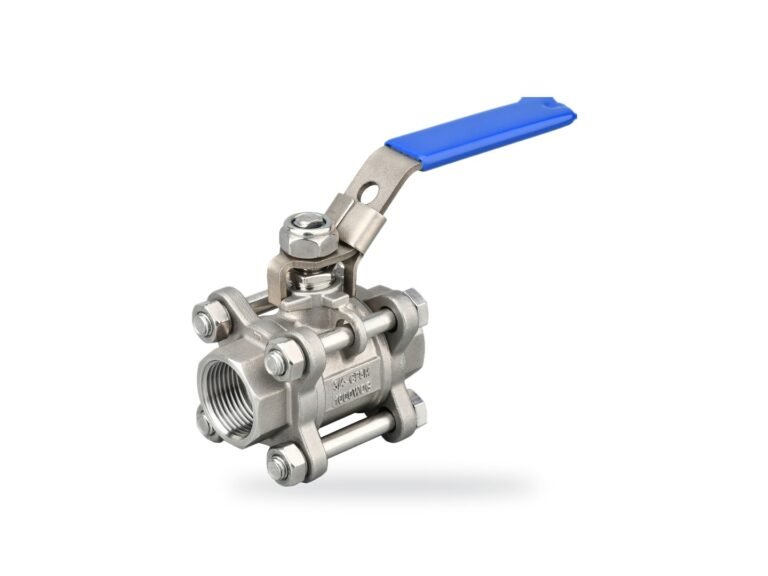
Stainless Steel Valves
CF8 (304) and CF8M (316) threaded and flanged ball valves, API 603 gate valves and duplex F51 / F55 options.
View details
Industrial Check Valves
Swing (BS 1868 / API 6D), API 594 dual plate wafer and axial flow nozzle check valves; Class 150–2500.
View details
Ball Valves
Floating and trunnion ball valves to API 6D / ISO 17292, API 607 fire-safe; ½”–60″, Class 150–2500.
View detailsRequest a quote: Industrial Strainers
Share your valve list, datasheet or project specification. We review standards, materials and documentation line by line and return an itemized offer, with any deviation from the specification stated in writing.