
Vannes industrielles
Gamme de produits
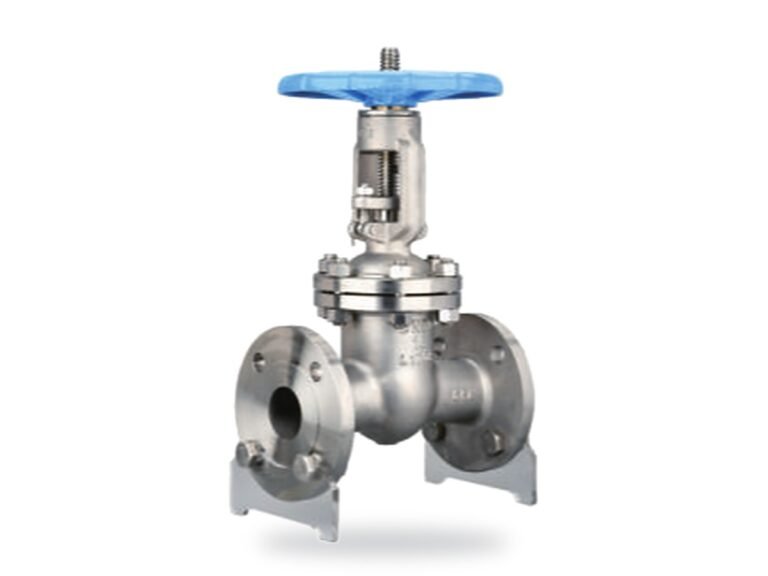
DIN / EN Gate Valve
EN 1092-1 flanged, PN16–PN64; handwheel or electric actuator.
View details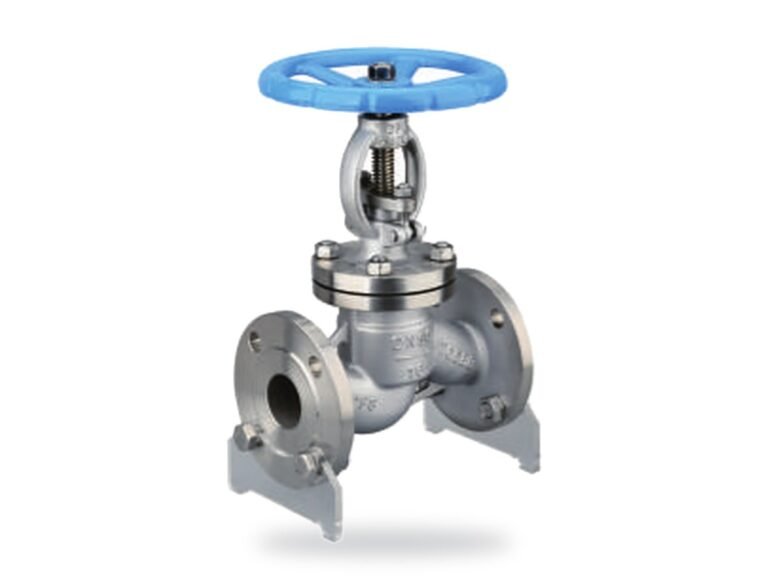
DIN / EN Globe Valve
DIN 3356 / EN 13709, PN16–PN64; steam and hot water lines.
View details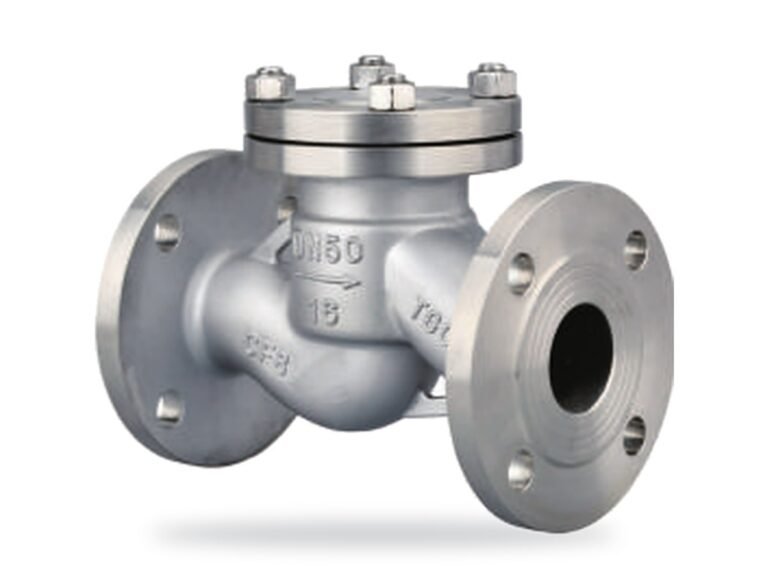
DIN / EN Check Valve
Swing and lift types; EN 1092-1 flanged, PN16–PN64.
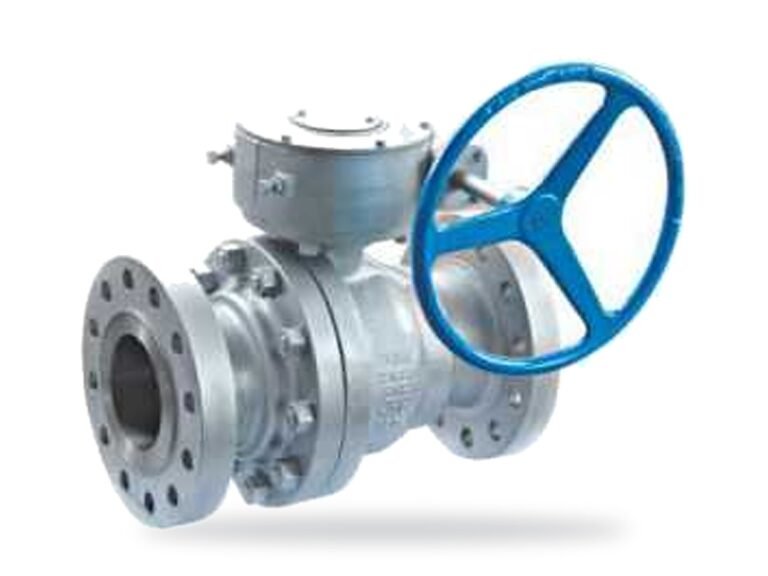
View detailsDIN / EN Flanged Ball Valve
EN 1092-1 flanged, PN16–PN100; floating and trunnion mounted designs.
View detailsDIN / EN valve types
DIN gate valve
Designed to DIN 3352 / EN 1984 with bolted bonnet and rising stem (OS&Y), operated by handwheel or electric actuator, in PN16–PN64. See DIN gate valves.
DIN globe valve
Designed to DIN 3356 / EN 13709 with hardfaced (CoCr) seat faces and a nitrided stem, for isolation and flow regulation in steam and hot water plants. See DIN globe valves.
DIN check valve
Swing and lift check valves to EN 16767; lift types use the DIN 3356 / EN 13709 body construction. See DIN check valves.
DIN ball valve
Steel ball valves to EN 1983 with EN 1092-1 flanges in PN16, PN25, PN40, PN64 and PN100; trunnion designs cover DN50–DN1000. See DIN ball valves.
Standards
- DIN 3352 / EN 1984: steel gate valves.
- DIN 3356 / EN 13709: steel globe valves.
- EN 16767: steel check valves.
- EN 1983: steel ball valves.
- DIN 3202 / EN 558: face-to-face dimensions.
- EN 1092-1 (DIN 2543–2547): flanges.
- EN 12266-1 (DIN 3230): pressure testing.
For test requirements, see API 598 vs EN 12266-1 valve testing; for EU installations, see our PED and CE marking guide.
How to specify a DIN valve
- PN class and material: EN 12266-1 test pressures are based on the allowable pressure PS at 20 °C, and PS equals PN only for certain material groups; confirm the allowable pressure at operating temperature.
- Face-to-face: match the EN 558 dimension of the existing valve so that it fits without pipe modification.
- Flanges: EN 1092-1 drilling to the PN class of the line; PN and ASME Class flanges are not interchangeable.
- Function: gate valve for isolation, globe valve for regulation and steam service, check valve against backflow; state the installation position for check valves.
- Operation: handwheel or electric actuator.
At a glance
| Valve types | Gate, globe, swing and lift check; trunnion ball valves DN50–DN1000 |
|---|---|
| Pressure rating | PN16–PN64 (gate, globe, check); PN16, PN25, PN40, PN64 and PN100 (ball) |
| Design standards | DIN 3352 / EN 1984 (gate), DIN 3356 / EN 13709 (globe), EN 16767 (check), EN 1983 (ball) |
| Face-to-face | DIN 3202 / EN 558 |
| Brides | EN 1092-1 (DIN 2543–2547) |
| Essai | EN 12266-1 (DIN 3230) |
| Operation | Handwheel or electric actuator |
Documentation and testing
On industrial projects the documentation package matters as much as the valve. We confirm the certificate and test scope for every line item at quotation stage:
- EN 10204 3.1 material certificates for pressure-retaining and wetted parts, traceable by heat number
- EN 10204 3.2 with third-party inspection, on request
- Pressure test reports to API 598 or EN 12266-1: shell, seat and, where specified, gas tests
- Fire-test certificates (API 607 / ISO 10497) for fire-safe type-tested designs
- PMI reports for alloy and stainless materials
- Dimensional, visual and coating inspection records
- PED 2014/68/EU CE declaration for equipment within its scope
- NACE MR0175 / ISO 15156 compliance statement for sour (H₂S) service
Technical datasheets
- PDFDIN / EN Gate ValvePDF · English · 2–3 pages
- PDFDIN / EN Globe ValvePDF · English · 2–3 pages
- PDFDIN / EN Check ValvePDF · English · 2–3 pages
- PDFDIN / EN Flanged Ball ValvePDF · English · 2–3 pages
Foire aux questions
What are DIN valves?
Valves built to DIN and EN standards, with EN 558 face-to-face dimensions, EN 1092-1 flanges and PN pressure ratings. They fit directly into existing lines of plants engineered to European standards.
Can a DIN valve replace an ASME Class valve?
No. Flange dimensions (EN 1092-1 versus ASME B16.5), face-to-face dimensions (EN 558 versus ASME B16.10) and pressure ratings differ, so the valve must match the standard of the existing line.
How are DIN valves pressure tested?
To EN 12266-1 (DIN 3230): the hydrostatic shell test is carried out at 1.5 times the allowable pressure PS at 20 °C and the seat test at 1.1 times PS. For a PN 40 valve in a material group where PS equals PN, that means 6.0 MPa (60 bar) for the shell test and 4.4 MPa (44 bar) for the seat test.
What does PN40 mean?
PN40 means an allowable pressure of 40 bar at approximately 20 °C for the reference material. The allowable pressure falls as temperature rises and depends on the material, so select the valve on the value at operating temperature.
Related categories
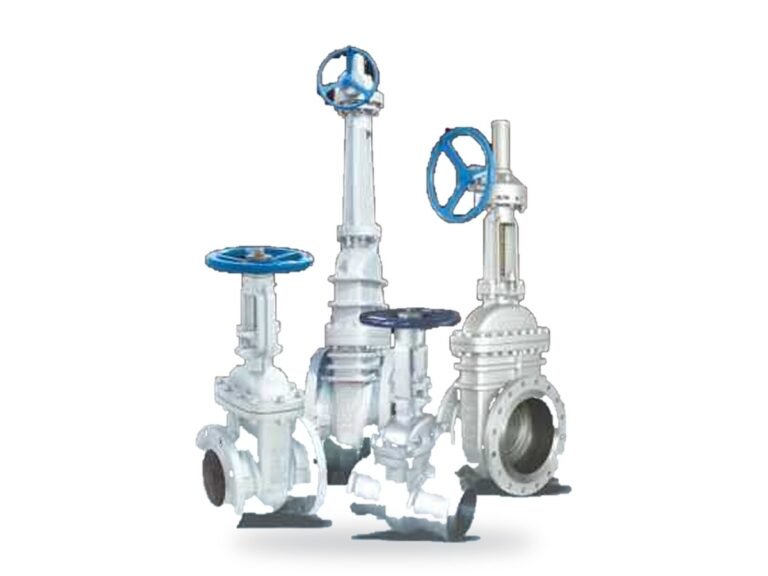
Cast Steel Gate & Globe Valves
API 600, pressure seal and API 6D slab gate valves; BS 1873, bellows seal and angle globe valves.
View details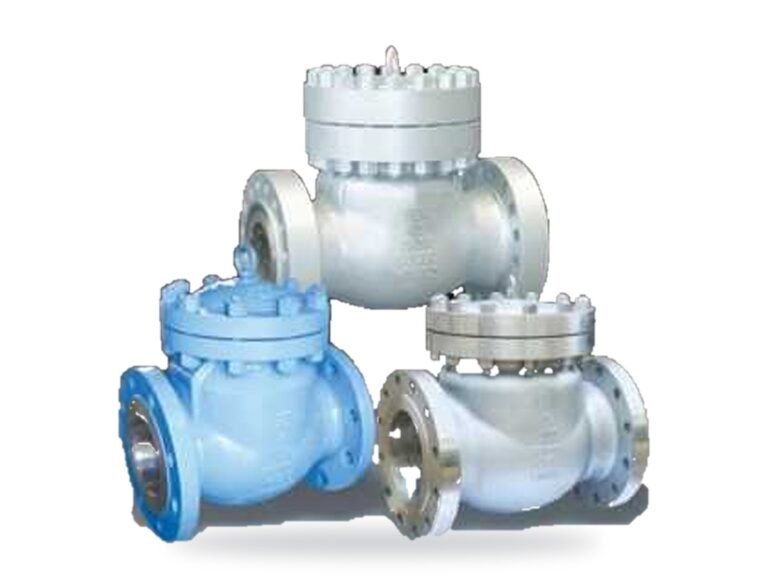
Clapets anti-retour industriels
Swing (BS 1868 / API 6D), API 594 dual plate wafer and axial flow nozzle check valves; Class 150–2500.
View details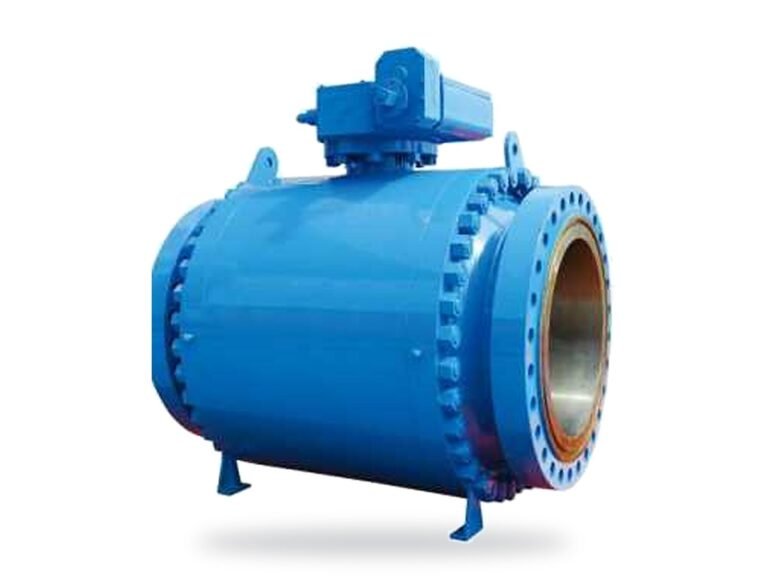
Vannes à bille
Floating and trunnion ball valves to API 6D / ISO 17292, API 607 fire-safe; ½”–60″, Class 150–2500.
View details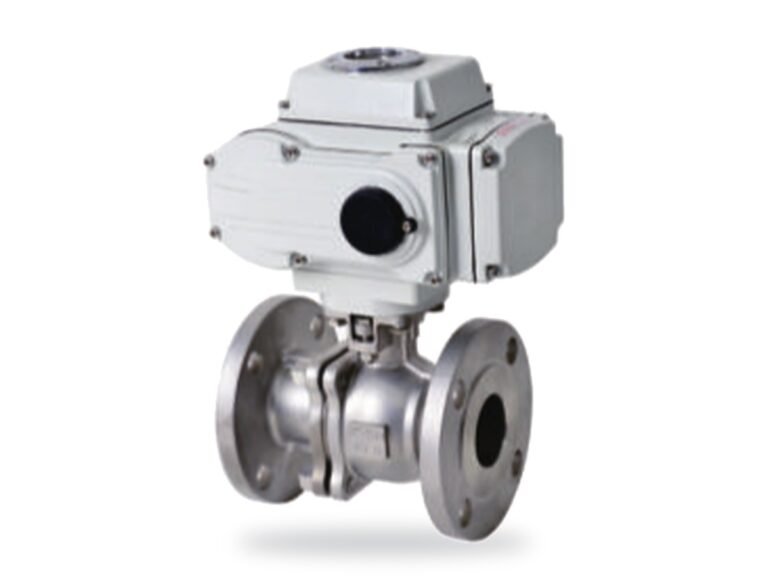
Actuated Valves
Pneumatic and electric actuated valve packages; ISO 5211, NAMUR and ATEX options; assembled and function tested.
View detailsRequest a quote: DIN / EN Valves
Share your valve list, datasheet or project specification. We review standards, materials and documentation line by line and return an itemized offer, with any deviation from the specification stated in writing.