Industrial Valves
Product range
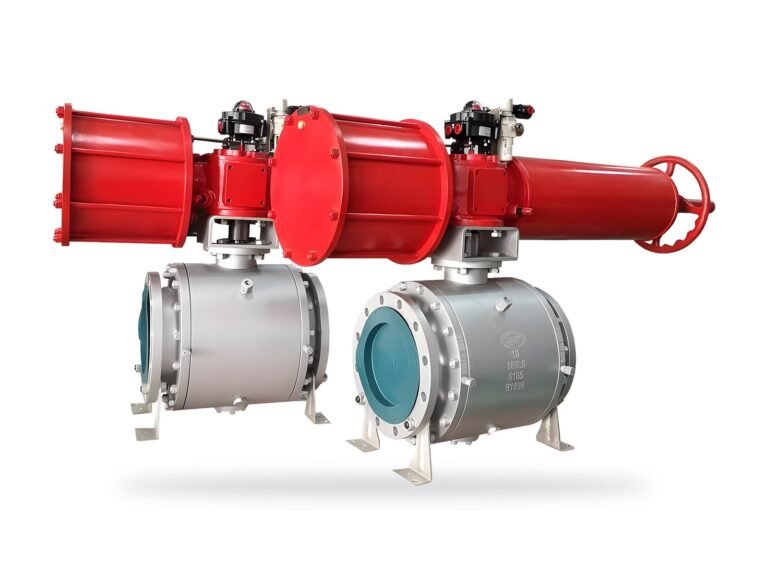
Pneumatic Actuated Valve
Double-acting and fail-safe; rack and pinion, scotch-yoke; NAMUR accessories.
View details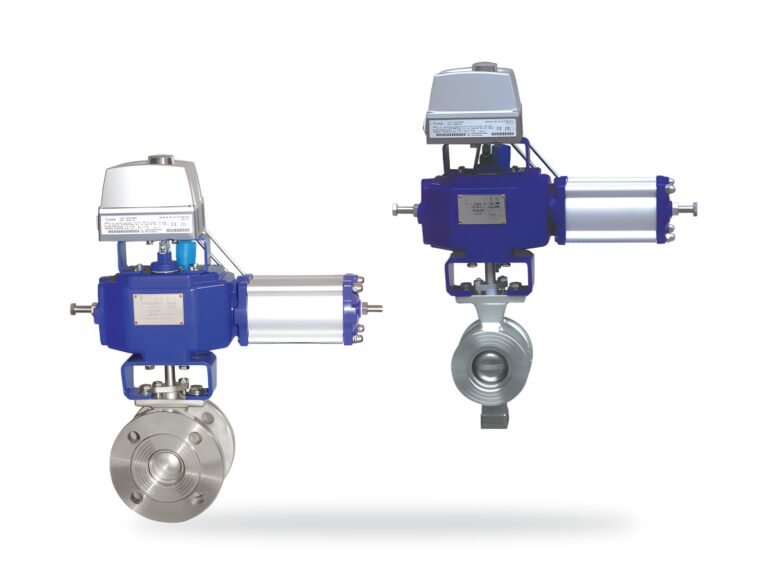
Electric Actuated Valve
On-off and modulating (4–20 mA); quarter-turn and multi-turn; IP67, ATEX.
View detailsActuator types
Pneumatic actuators
Double-acting actuators use air to open and air to close. Spring-return (single-acting) actuators drive the valve to a safe position (fail-safe open or fail-safe closed) when air or power is lost. Rack and pinion designs are used for small and medium torques, scotch yoke designs for large valves and high torque. See pneumatic actuated valves.
Electric actuators
Quarter-turn and multi-turn (for gate and globe valves) types for on/off or modulating (4–20 mA) control, with torque and position switches and a manual handwheel. A practical solution where no compressed air is available and at remote locations. See electric actuated valves.
Accessories
NAMUR solenoid valves, limit switch boxes, smart positioners, filter regulators, quick exhaust and speed control valves, and manual overrides. For hazardous areas, actuators and accessories are selected to ATEX (2014/34/EU).
Our comparison of electric and pneumatic valve actuators helps with the choice.
How actuators are sized
- Obtain the valve’s worst-case torques from the valve manufacturer: breakaway, running and end-of-stroke torques at maximum differential pressure.
- Add a safety margin for the fluid and operating frequency (typically 25–50%; higher for dry gas, dirty fluids and infrequent operation).
- For pneumatic actuators, check adequacy at the minimum air supply pressure; for spring-return types, at the spring end torque.
- Define the ISO 5211 (quarter-turn) or ISO 5210 (multi-turn) mounting flange and stem adaptation, the mounting orientation and any insulation or extension requirement.
- Confirm closing time, fail-safe position, control signal and ATEX / IP rating against the specification.
Valve and actuator are assembled, function tested and delivered as one package; the torque calculation is shared with the offer.
Valve types supplied with actuators
- Ball valves: pneumatic rack and pinion or scotch yoke actuators, or quarter-turn electric actuators
- Butterfly valves: gear operators, pneumatic or electric actuators
- Gate and globe valves: multi-turn electric actuators
- Knife gate valves: pneumatic cylinders or electric actuators
At a glance
| Pneumatic | Double-acting and spring-return; rack and pinion, scotch yoke |
|---|---|
| Electric | Quarter-turn and multi-turn; on/off and modulating (4–20 mA); 24 V DC, 230 V AC, 380 V AC |
| Interfaces | ISO 5211 (quarter-turn) / ISO 5210 (multi-turn) flange, NAMUR accessory interface |
| Accessories | Solenoid valve, limit switch, positioner, filter regulator, manual override |
| Protection | IP66 / IP67; ATEX (2014/34/EU) Ex d / Ex ia options |
| Valve types | Ball, butterfly, gate, globe, knife gate |
Documentation and testing
On industrial projects the documentation package matters as much as the valve. We confirm the certificate and test scope for every line item at quotation stage:
- EN 10204 3.1 material certificates for pressure-retaining and wetted parts, traceable by heat number
- EN 10204 3.2 with third-party inspection, on request
- Pressure test reports to API 598 or EN 12266-1: shell, seat and, where specified, gas tests
- Fire-test certificates (API 607 / ISO 10497) for fire-safe type-tested designs
- PMI reports for alloy and stainless materials
- Dimensional, visual and coating inspection records
- PED 2014/68/EU CE declaration for equipment within its scope
- NACE MR0175 / ISO 15156 compliance statement for sour (H₂S) service
Technical datasheets
Key data and document numbers for all 34 series are on the industrial valve datasheets page.
Frequently Asked Questions
What is the difference between a double-acting and a spring-return actuator?
A double-acting actuator uses air both to open and to close; if the air supply fails, the valve stays in its last position. A spring-return actuator is driven by air in one direction, and when air or power is lost, the spring moves the valve to a predefined safe position, open or closed.
How is actuator torque selected?
The basis is the valve’s breakaway torque at maximum differential pressure, plus a safety margin of typically 25–50% depending on fluid, operating frequency and seat type. For pneumatic actuators, adequacy is also checked at minimum air pressure, and for spring-return types at the spring end torque.
When is an ATEX actuator required?
When the actuator is installed in an area where an explosive atmosphere can form due to flammable gas, vapor or dust (Zone 0/1/2 or 20/21/22). Select an actuator, solenoid valve and switch box marked to ATEX (2014/34/EU) for the zone classification.
Related categories

Ball Valves
Floating and trunnion ball valves to API 6D / ISO 17292, API 607 fire-safe; ½”–60″, Class 150–2500.
View details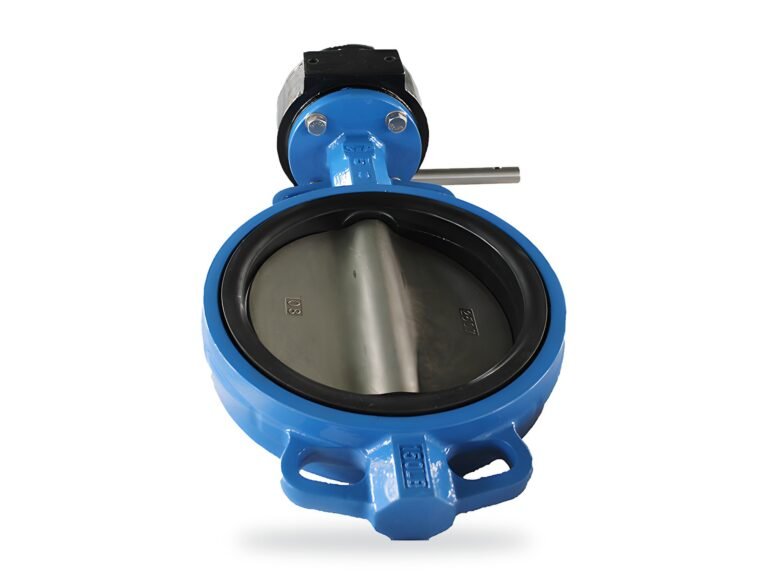
Industrial Butterfly Valves
Triple-offset metal-seated, double-offset high-performance and rubber-lined butterfly valves; API 609 / EN 593.
View details
Knife Gate Valves
MSS SP-81 knife gate valves for slurry, pulp and paper stock, mining, wastewater and dry bulk lines.
View details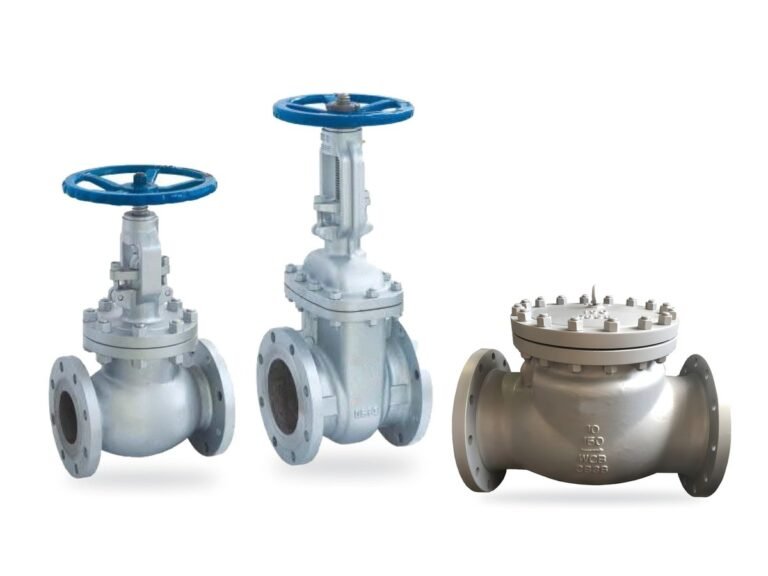
Cast Steel Gate & Globe Valves
API 600, pressure seal and API 6D slab gate valves; BS 1873, bellows seal and angle globe valves.
View detailsRequest a quote: Actuated Valves
Share your valve list, datasheet or project specification. We review standards, materials and documentation line by line and return an itemized offer, with any deviation from the specification stated in writing.