
Vannes à bille
In a metal seated ball valve, the ball and seats seal against each other on hard-faced metal surfaces instead of soft inserts. It provides long service life where PTFE and similar soft seats degrade quickly because of solid particles, catalyst, ash, slurry or high temperature.
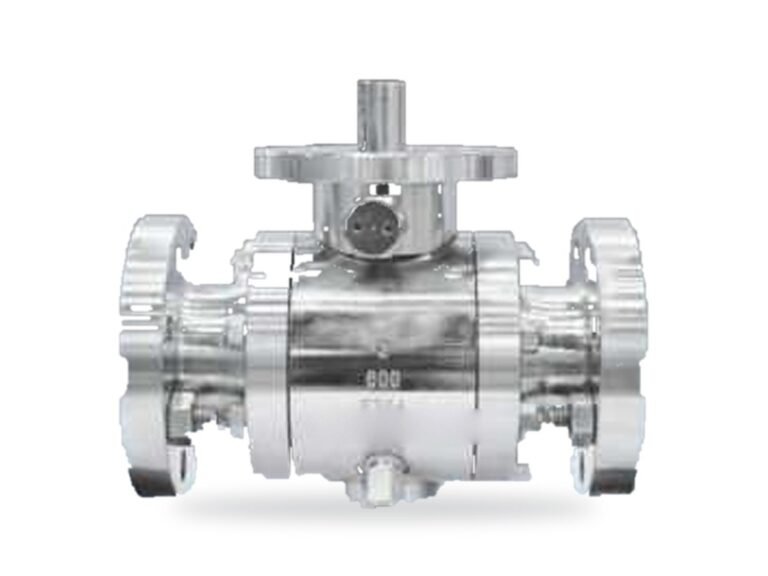
Aperçu
The ball and seat surfaces are coated with hard facings such as tungsten carbide, chromium carbide or Stellite and lapped together as a matched set. The shutoff class differs from that of soft-seated valves; allowable leakage is defined by API 598 or by the class stated in the specification.
The design can be applied to both floating and trunnion mounted valves. Selection considers temperature, particle size and hardness, cycling frequency and the required shutoff class together.
Spécifications techniques
| Conception | Floating or trunnion mounted; metal-to-metal seats |
|---|---|
| Coating | Tungsten carbide (HVOF), chromium carbide, Stellite; lapped matched set |
| classe de pression | ASME Class 150–2500 (by type and size) |
| Matériels | WCB, WC6, WC9, CF8M, duplex; to suit the service |
| Applications | Abrasive particles, high temperature, slurry, catalyst and ash lines |
Caractéristiques principales
- Long life at temperatures and wear levels that soft seats cannot withstand
- Lapped ball-to-seat matching
- Coating type and thickness selected for the service
- Shutoff class stated clearly in the quotation
Catalog data
- Body: 3-piece forged or cast body; easy to dismantle for maintenance.
- Ball and seat coatings: tungsten carbide (HVOF), chromium carbide, CoCr hardfacing (Stellite); ball and seats are lapped as a matched pair.
- Operation: bare stem with ISO 5211 mounting pad, ready for actuation; for high torque, sizing is done at quotation stage.
- Leakage class: on request, tested to ANSI/FCI 70-2 Class V or API 598 metal-seated leakage criteria.
Documentation et tests
Dans le cadre de projets industriels, la documentation technique est aussi importante que la vanne elle-même. Nous confirmons la certification et le périmètre des tests pour chaque élément dès l'établissement du devis.
- EN 10204 3.1 certificats de matériaux pour les pièces sous pression et en contact avec le fluide, traçabilité par numéro de coulée
- EN 10204 3.2 avec inspection par un tiers, sur demande
- Rapports d'essais de pression essais de coque, de siège et, le cas échéant, de gaz, conformes aux normes API 598 ou EN 12266-1
- Certificats d'essai au feu (API 607 / ISO 10497) pour les conceptions testées en matière de résistance au feu
- Rapports PMI pour les matériaux en alliage et en acier inoxydable
- Rapports d'inspection dimensionnelle, visuelle et de revêtement
- Déclaration CE PDSE 2014/68/UE pour les équipements relevant de son champ d'application
- Déclaration de conformité NACE MR0175 / ISO 15156 pour service acide (H₂S)
Fiche technique
Foire aux questions
Does a metal seated ball valve provide zero leakage?
With the right coating and lapping, very low leakage rates can be achieved; however, the acceptance criterion differs from soft-seated valves and is defined by the shutoff class in the standard or specification. We state the target class in our quotation.
Which coating should be selected?
Tungsten carbide is common for abrasive particles and high-velocity flow, chromium carbide for higher temperatures, and Stellite for general hard-facing needs. The choice depends on temperature, particle hardness and corrosion conditions.
Produits associés
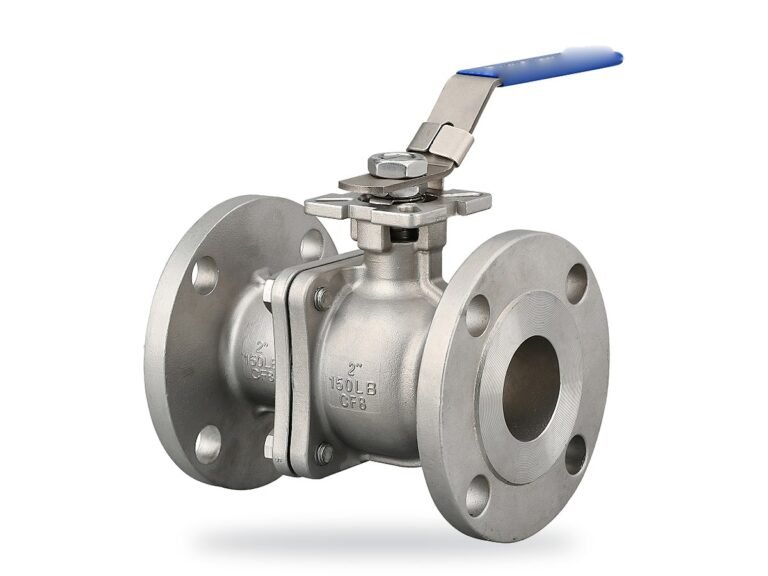
vanne à bille flottante
½”–10″, Classe 150–600; deux pièces et trois pièces, résistant au feu, antistatique.
Voir les détails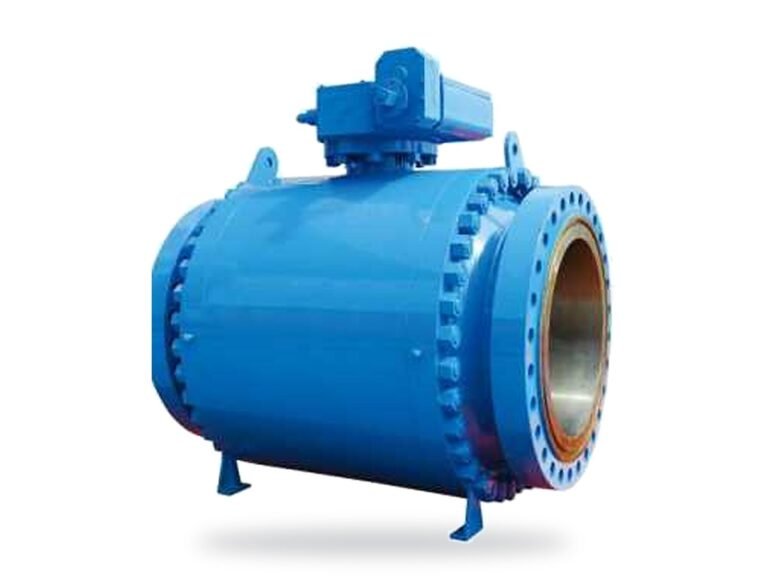
vanne à bille montée sur tourillon
2″–60″, Classe 150–2500; sièges à ressort, DBB/DIB, injection de mastic.
Voir les détails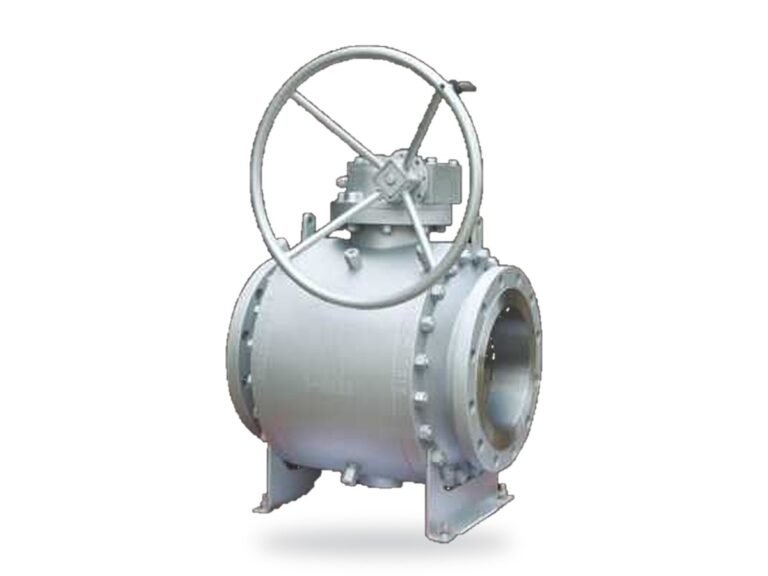
Vanne à bille à tourillon en acier forgé
Classe 150–2500, principalement haute pression ; A105N, LF2, F316, F51 ; API 607.
Voir les détailsRequest a quote: Metal Seated Ball Valve
Partagez votre liste de vannes, votre fiche technique ou le cahier des charges de votre projet. Nous examinons les normes, les matériaux et la documentation ligne par ligne et vous soumettons une offre détaillée, toute dérogation au cahier des charges étant mentionnée par écrit.