
Ball Valves
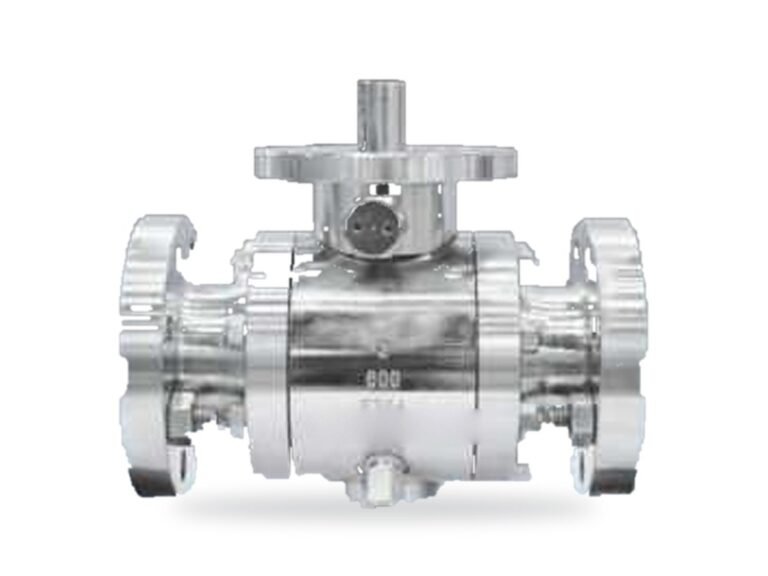
In a metal seated ball valve, the ball and seats seal against each other on hard-faced metal surfaces instead of soft inserts. It provides long service life where PTFE and similar soft seats degrade quickly because of solid particles, catalyst, ash, slurry or high temperature.
Overview
The ball and seat surfaces are coated with hard facings such as tungsten carbide, chromium carbide or Stellite and lapped together as a matched set. The shutoff class differs from that of soft-seated valves; allowable leakage is defined by API 598 or by the class stated in the specification.
The design can be applied to both floating and trunnion mounted valves. Selection considers temperature, particle size and hardness, cycling frequency and the required shutoff class together.
Technical specifications
| Design | Floating or trunnion mounted; metal-to-metal seats |
|---|---|
| Coating | Tungsten carbide (HVOF), chromium carbide, Stellite; lapped matched set |
| Pressure class | ASME Class 150–2500 (by type and size) |
| Materials | WCB, WC6, WC9, CF8M, duplex; to suit the service |
| Applications | Abrasive particles, high temperature, slurry, catalyst and ash lines |
Key features
- Long life at temperatures and wear levels that soft seats cannot withstand
- Lapped ball-to-seat matching
- Coating type and thickness selected for the service
- Shutoff class stated clearly in the quotation
Catalog data
- Body: 3-piece forged or cast body; easy to dismantle for maintenance.
- Ball and seat coatings: tungsten carbide (HVOF), chromium carbide, CoCr hardfacing (Stellite); ball and seats are lapped as a matched pair.
- Operation: bare stem with ISO 5211 mounting pad, ready for actuation; for high torque, sizing is done at quotation stage.
- Leakage class: on request, tested to ANSI/FCI 70-2 Class V or API 598 metal-seated leakage criteria.
Documentation and testing
On industrial projects the documentation package matters as much as the valve. We confirm the certificate and test scope for every line item at quotation stage:
- EN 10204 3.1 material certificates for pressure-retaining and wetted parts, traceable by heat number
- EN 10204 3.2 with third-party inspection, on request
- Pressure test reports to API 598 or EN 12266-1: shell, seat and, where specified, gas tests
- Fire-test certificates (API 607 / ISO 10497) for fire-safe type-tested designs
- PMI reports for alloy and stainless materials
- Dimensional, visual and coating inspection records
- PED 2014/68/EU CE declaration for equipment within its scope
- NACE MR0175 / ISO 15156 compliance statement for sour (H₂S) service
Technical datasheet
Frequently Asked Questions
Does a metal seated ball valve provide zero leakage?
With the right coating and lapping, very low leakage rates can be achieved; however, the acceptance criterion differs from soft-seated valves and is defined by the shutoff class in the standard or specification. We state the target class in our quotation.
Which coating should be selected?
Tungsten carbide is common for abrasive particles and high-velocity flow, chromium carbide for higher temperatures, and Stellite for general hard-facing needs. The choice depends on temperature, particle hardness and corrosion conditions.
Related products
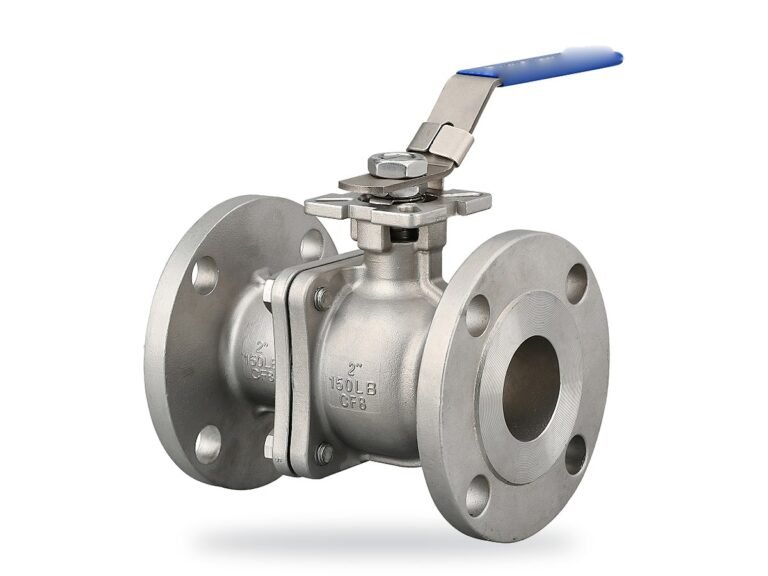
Floating Ball Valve
½”–10″, Class 150–600; two-piece and three-piece, fire-safe, antistatic.
View details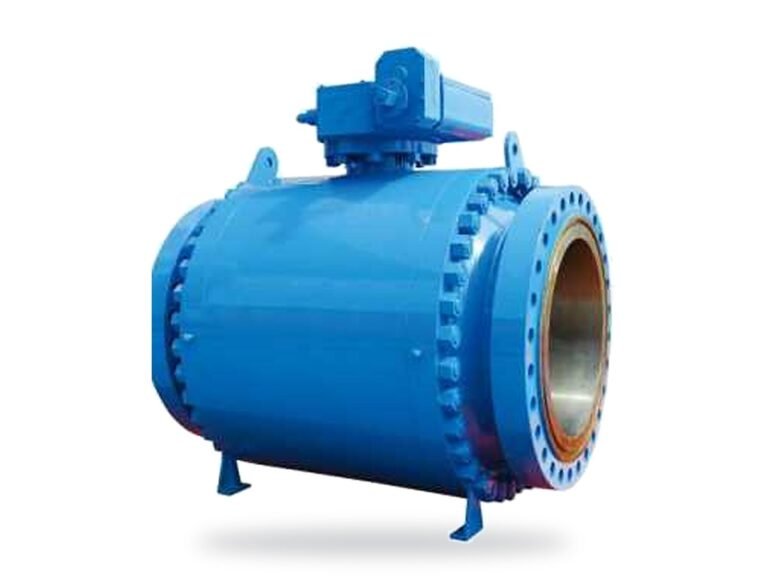
Trunnion Mounted Ball Valve
2″–60″, Class 150–2500; spring-loaded seats, DBB/DIB, sealant injection.
View details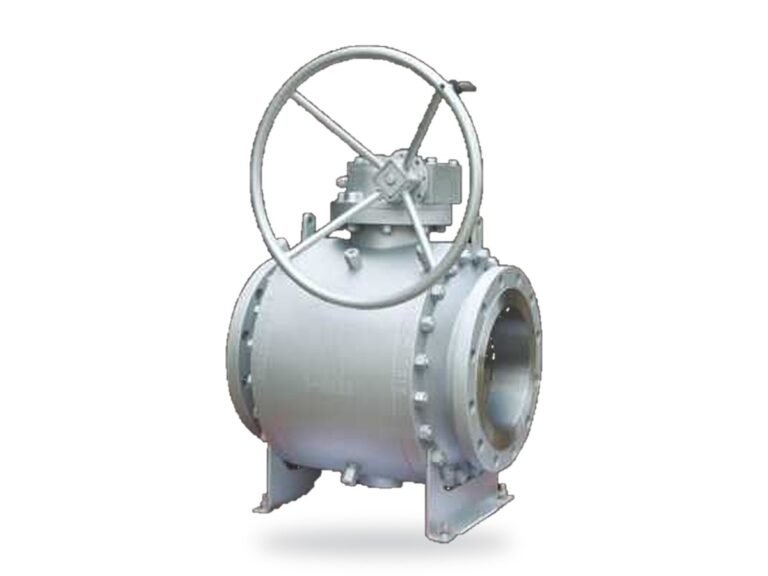
Forged Steel Trunnion Ball Valve
Class 150–2500, mainly high pressure; A105N, LF2, F316, F51; API 607.
View detailsRequest a quote: Metal Seated Ball Valve
Share your valve list, datasheet or project specification. We review standards, materials and documentation line by line and return an itemized offer, with any deviation from the specification stated in writing.