
Industrial Valves
Product range
Cryogenic Ball Valve
Floating and trunnion mounted; extended bonnet, cavity relief, down to −196 °C (−321 °F).
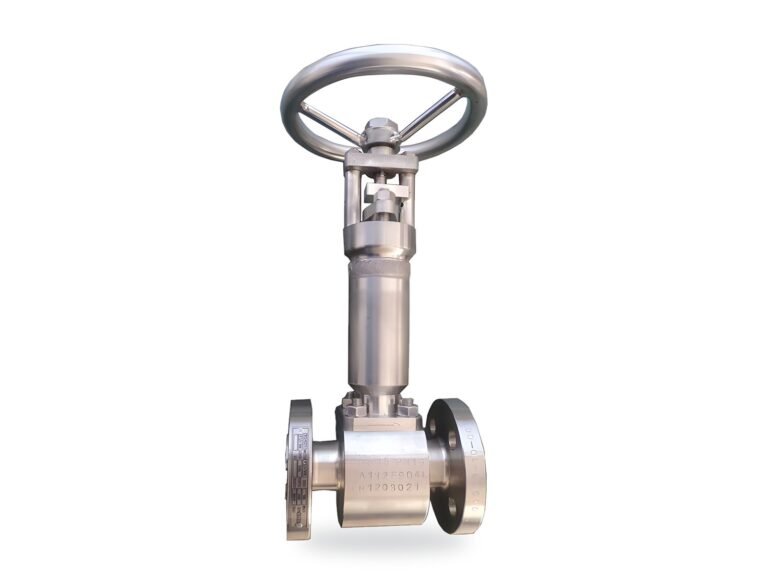
View detailsCryogenic Gate and Globe Valves
Extended bonnet, vented wedge; LNG and industrial gas plants.
View detailsKey elements of cryogenic valve design
Extended bonnet and gas column
A longer bonnet moves the packing away from the cold fluid, and the gas column that forms inside the bonnet acts as insulation. The packing stays close to ambient temperature, so freezing and leakage are prevented. The extension length is chosen so the packing stays warm enough; MSS SP-134 sets minimum lengths by valve type, size, service temperature and cold box application.
Body cavity relief
On ball and gate valves, liquid trapped in the body cavity of a closed valve vaporizes as it warms and can build up dangerous pressure. Cryogenic ball valves therefore have a relief design on one seat or on the body, and the relief direction is marked on the valve.
Material selection
Austenitic stainless steels such as CF8M, CF3M, F316 and F316L are used for LNG and −196 °C service. Low-temperature carbon steels such as LCC and LF2 are suitable only down to approximately −46 °C.
Testing and cleaning
In addition to production tests, a low-temperature helium shell and seat leak test to BS 6364 / ISO 28921 is carried out as a type test or, on request, on production valves. For oxygen service, valves are delivered degreased and with suitable lubricants.
See our guides to cryogenic valves and BS 6364 and cryogenic valve installation mistakes.
How to specify a cryogenic valve
- Fluid and minimum temperature: LNG (approximately −162 °C), liquid nitrogen (−196 °C), liquid oxygen or argon.
- Body material: austenitic stainless steel (CF8M, CF3M, F316, F316L); LCC and LF2 only down to approximately −46 °C.
- Extended bonnet length per MSS SP-134 minimums; install with the stem vertical or within the angle the manufacturer allows, so that the gas column can form.
- Cavity relief on ball and gate valves; install according to the marked relief direction.
- Testing: low-temperature helium test as a type test or on production valves on request; fugitive emission class to ISO 15848-1 where specified.
- Oxygen service: degreased cleaning and suitable lubricants.
Standards
- BS 6364: valves for cryogenic service.
- ISO 28921-1: isolating valves for low-temperature applications; design, manufacturing and production testing.
- MSS SP-134: valves for cryogenic service, including body and bonnet extensions.
- ASME B16.34 / API 6D: pressure classes and pipeline requirements.
- ISO 15848-1: fugitive emission classification at low temperature.
At a glance
| Temperature | Down to −196 °C (LNG, LN₂, LO₂, LAr) |
|---|---|
| Valve types | Ball (floating and trunnion), gate, globe, check, triple-offset butterfly |
| Pressure class | ASME Class 150–1500 (depending on type and size) |
| End connections | RF flanged, butt weld (BW), socket weld (SW) |
| Body materials | CF8M, CF3M, F316, F316L (austenitic stainless) |
| Features | Extended bonnet, cavity relief, anti-static design, fire-safe option, oxygen service cleaning |
| Testing | API 598 / EN 12266-1 production tests; low-temperature helium test (type test or on request) |
Documentation and testing
On industrial projects the documentation package matters as much as the valve. We confirm the certificate and test scope for every line item at quotation stage:
- EN 10204 3.1 material certificates for pressure-retaining and wetted parts, traceable by heat number
- EN 10204 3.2 with third-party inspection, on request
- Pressure test reports to API 598 or EN 12266-1: shell, seat and, where specified, gas tests
- Fire-test certificates (API 607 / ISO 10497) for fire-safe type-tested designs
- PMI reports for alloy and stainless materials
- Dimensional, visual and coating inspection records
- PED 2014/68/EU CE declaration for equipment within its scope
- NACE MR0175 / ISO 15156 compliance statement for sour (H₂S) service
Technical datasheets
- PDFCryogenic Ball ValvePDF · English · 1 page
- PDFCryogenic Gate and Globe ValvesPDF · English · 1 page
Key data and document numbers for all 34 series are on the industrial valve datasheets page.
Frequently Asked Questions
Why do cryogenic valves have an extended bonnet?
To keep the packing and stem seal away from the cold fluid. The gas column inside the extended bonnet acts as insulation, so the packing does not freeze, stays flexible and does not leak. The extension also keeps the operator outside the insulation.
Which material should be selected for an LNG valve?
At −162 °C and below, austenitic stainless steels that do not become brittle at low temperature (CF8M, CF3M, F316/F316L) are used. Low-temperature carbon steels (LCC, LF2) are suitable only down to approximately −46 °C and are not adequate for LNG.
Why is cavity relief required on cryogenic ball valves?
Liquefied gas trapped in the body cavity of a closed valve vaporizes as it warms, and its volume increases several hundredfold. Without relief, the body or seats can be damaged. Cryogenic ball valves therefore have a seat that relieves in one direction or a body relief, and the valve is installed according to that direction.
Related categories

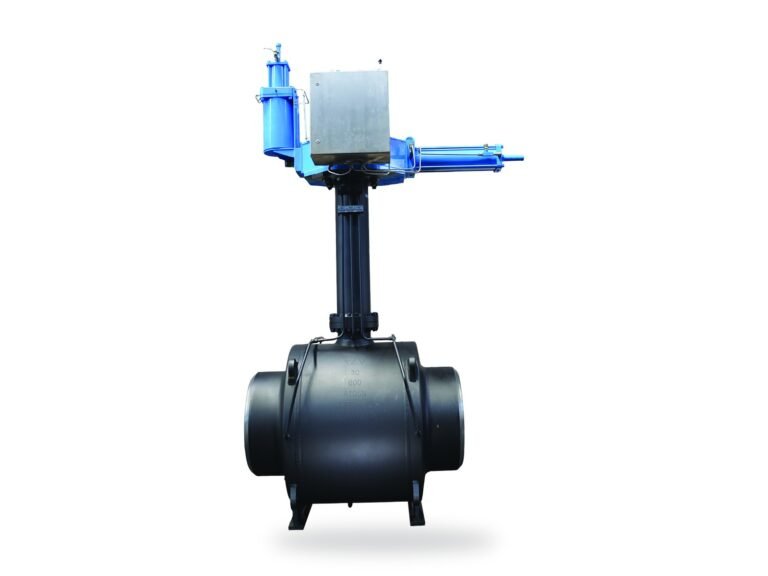
Ball Valves
Floating and trunnion ball valves to API 6D / ISO 17292, API 607 fire-safe; ½”–60″, Class 150–2500.
View details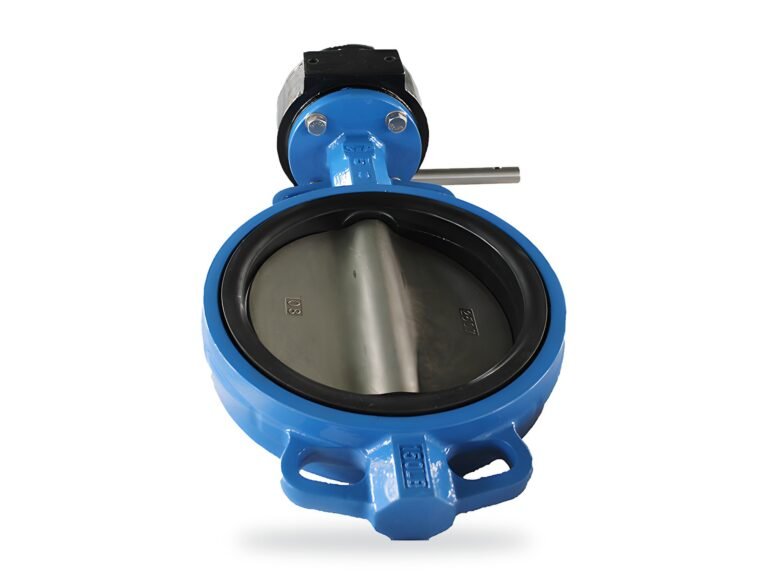
Industrial Butterfly Valves
Triple-offset metal-seated, double-offset high-performance and rubber-lined butterfly valves; API 609 / EN 593.
View details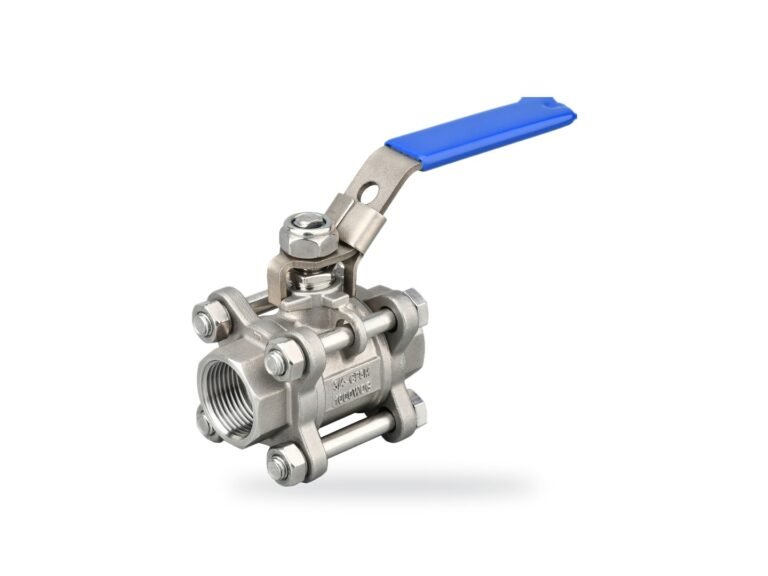
Stainless Steel Valves
CF8 (304) and CF8M (316) threaded and flanged ball valves, API 603 gate valves and duplex F51 / F55 options.
View detailsRequest a quote: Cryogenic Valves
Share your valve list, datasheet or project specification. We review standards, materials and documentation line by line and return an itemized offer, with any deviation from the specification stated in writing.