
Industrial Valves
Product range
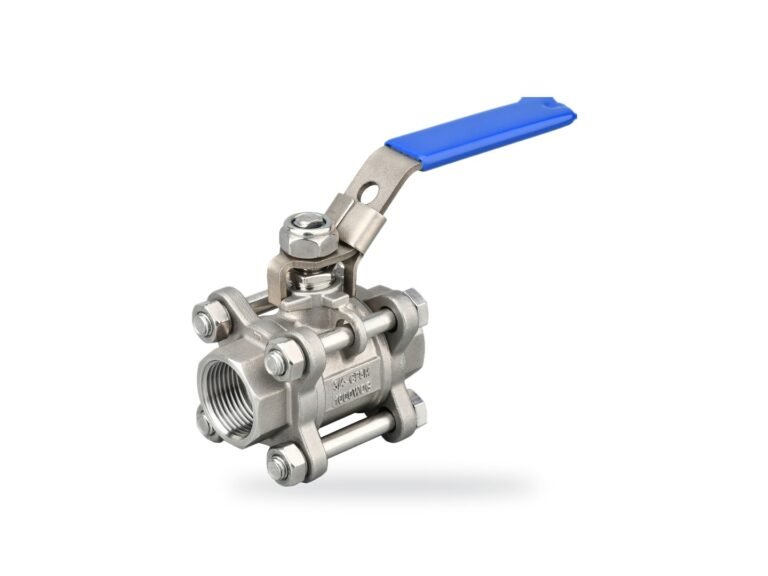
Threaded Stainless Steel Ball Valve
2-piece and 3-piece; BSP/NPT, 1000 WOG, lockable lever.
View details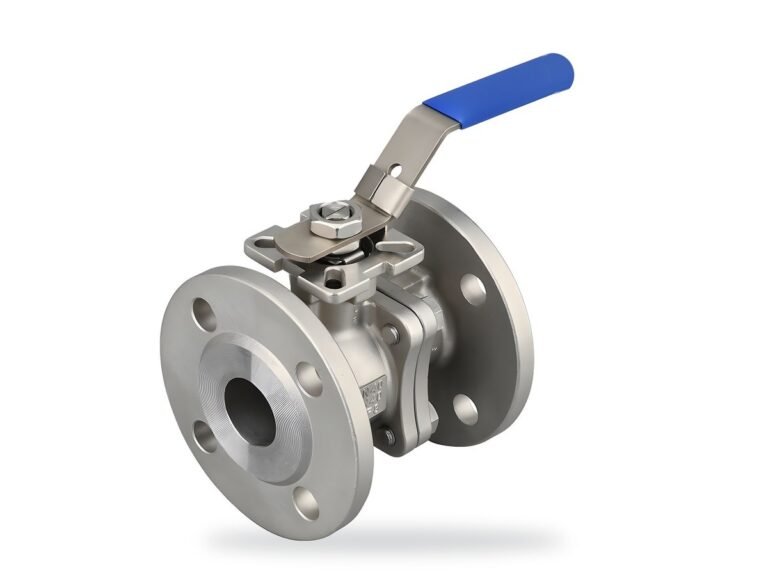
Stainless Steel Flanged Ball Valve
2-piece; PN16 or Class 150/300; ISO 5211 mounting pad.
View details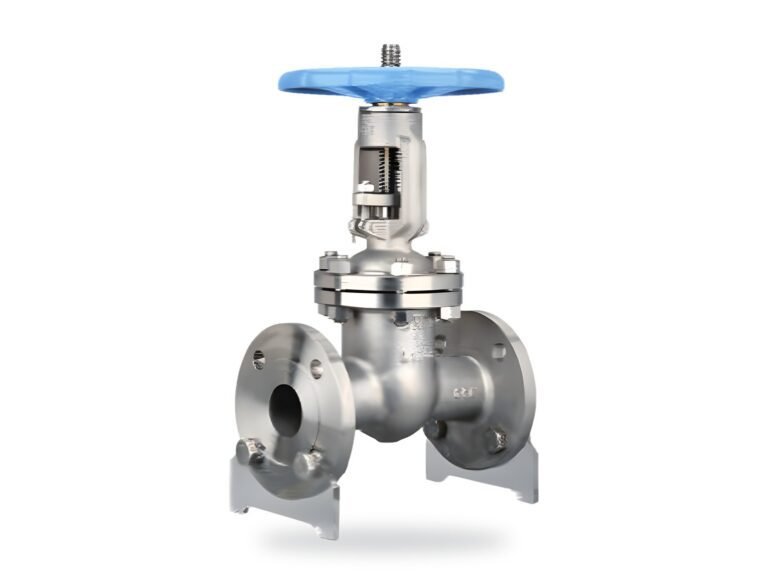
API 603 Stainless Steel Gate Valve
CF8M/CF3M, Class 150–600; chemical and corrosive process lines.
View detailsProduct groups
Threaded stainless ball valves (2-piece and 3-piece)
BSP or NPT threaded ball valves, generally rated 1000 WOG (approximately 69 bar cold working pressure), with PTFE seats and a lockable lever. The 3-piece body allows the center section to be removed for maintenance without taking the valve out of the line; socket weld (SW) and butt weld (BW) ends are also available. See threaded ball valves.
Flanged stainless ball valves
2-piece body with PN16 (EN 1092-1) or ASME Class 150 flanges, ISO 5211 actuator mounting pad and locking device; the standard valve for most process and automation applications. See flanged ball valves.
Stainless gate, globe and check valves
Corrosion-resistant gate valves to API 603, plus stainless globe and check valves to DIN/EN and ASME standards. See API 603 gate valves.
Stainless strainers
Y-type and basket strainers in stainless steel; details on the industrial strainers page.
Stainless and duplex grades compared
| Material (cast / forged) | Equivalent | Pitting resistance (PREN, approx.) | Typical service |
|---|---|---|---|
| CF8 / F304 | 304 | 18–20 | Water, air, general chemicals, food |
| CF8M / F316 | 316 | 23–26 | Chemicals, mildly chloride-bearing media, pharmaceuticals |
| CF3M / F316L | 316L | 23–26 | Welded connections (low carbon, resistance to intergranular corrosion) |
| F51 / 4A | Duplex 2205 | 34–36 | Chloride-bearing water, seawater auxiliary systems, high strength |
| F53, F55 / 5A, 6A | Super duplex | 40 and above | Seawater, offshore, aggressive chloride environments |
PREN = %Cr + 3.3 × %Mo + 16 × %N. Values vary with the composition range; the final choice depends on fluid, temperature and chloride content.
How to choose a stainless steel valve
- Grade: 304 (CF8) for clean water, air and neutral media; 316 (CF8M) for chloride-bearing water, saline environments, chemical and pharmaceutical processes; duplex or super duplex for aggressive media such as seawater (see special alloy valves).
- Welded ends: low-carbon CF3M / F316L to reduce the risk of intergranular corrosion.
- Body construction: 3-piece where seats and seals must be replaced without removing the valve from the line.
- Pressure and temperature: 1000 WOG is an ambient-temperature rating; on PTFE-seated valves the allowable pressure falls as temperature rises, so consider RPTFE, PEEK or metal seats for higher temperatures.
- Ends and automation: BSP or NPT threads to match the existing pipework; flanged valves with ISO 5211 pad for actuation.
At a glance
| Threaded ball valves | 2-piece or 3-piece; BSP / NPT, SW, BW ends; 1000 WOG |
|---|---|
| Flanged ball valves | 2-piece; PN16 (EN 1092-1) or ASME Class 150 / 300; ISO 5211 mounting pad |
| Size range | Threaded: ¼”–2″; flanged: DN15–DN100 standard, larger sizes on a project basis |
| Body materials | CF8 (304), CF8M (316), CF3 / CF3M (304L / 316L); forged F304 / F316 / F316L; duplex F51, super duplex F53 / F55 |
| Seats | PTFE, RPTFE; PEEK or metal for high temperature |
| Operation | Lockable lever, gear operator, pneumatic or electric actuator |
Documentation and testing
On industrial projects the documentation package matters as much as the valve. We confirm the certificate and test scope for every line item at quotation stage:
- EN 10204 3.1 material certificates for pressure-retaining and wetted parts, traceable by heat number
- EN 10204 3.2 with third-party inspection, on request
- Pressure test reports to API 598 or EN 12266-1: shell, seat and, where specified, gas tests
- Fire-test certificates (API 607 / ISO 10497) for fire-safe type-tested designs
- PMI reports for alloy and stainless materials
- Dimensional, visual and coating inspection records
- PED 2014/68/EU CE declaration for equipment within its scope
- NACE MR0175 / ISO 15156 compliance statement for sour (H₂S) service
Technical datasheets
- PDFThreaded Stainless Steel Ball ValvePDF · English · 1 page
- PDFStainless Steel Flanged Ball ValvePDF · English · 1 page
- PDFAPI 603 Stainless Steel Gate ValvePDF · English · 1 page
Key data and document numbers for all 34 series are on the industrial valve datasheets page.
Frequently Asked Questions
Should I choose a 304 or a 316 stainless steel valve?
Thanks to its molybdenum content, 316 (CF8M) resists chlorides and acids clearly better than 304 (CF8). 304 can be sufficient for clean water, air and neutral fluids; choose 316 for chloride-bearing water, saline environments, chemical and pharmaceutical processes. Aggressive media such as seawater call for super duplex (or duplex where temperature and cathodic protection allow).
What does 1000 WOG mean?
WOG (water, oil, gas) states the allowable working pressure in psi for water, oil and gas at ambient temperature. 1000 WOG corresponds to approximately 69 bar; the allowable pressure falls as temperature rises, especially on PTFE-seated valves.
What is the difference between 2-piece and 3-piece ball valves?
A 2-piece valve must be removed from the line for maintenance. On a 3-piece valve the end pieces stay welded or threaded in the line while the center body is unbolted and removed, so seats and seals can be replaced without dismantling the pipework.
Related categories

Ball Valves
Floating and trunnion ball valves to API 6D / ISO 17292, API 607 fire-safe; ½”–60″, Class 150–2500.
View details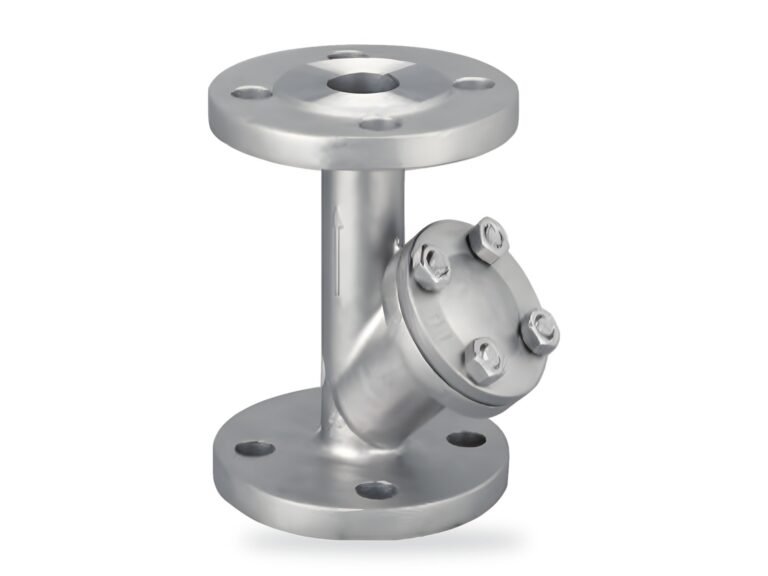
Industrial Strainers
Y-type, basket and duplex basket strainers in carbon and stainless steel; PN16 / PN40, Class 150 / 300.
View details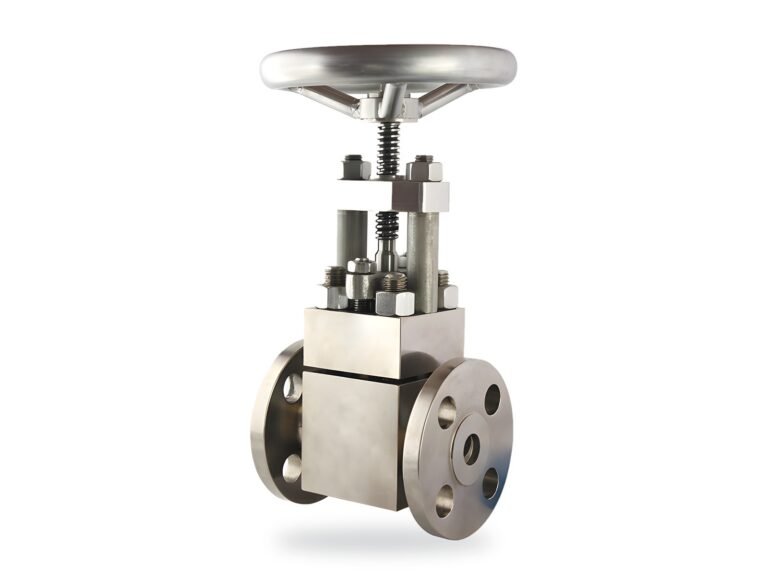
Special Alloy Valves
Duplex, super duplex, nickel alloy, titanium, zirconium and nickel-aluminum bronze valves for corrosive service.
View details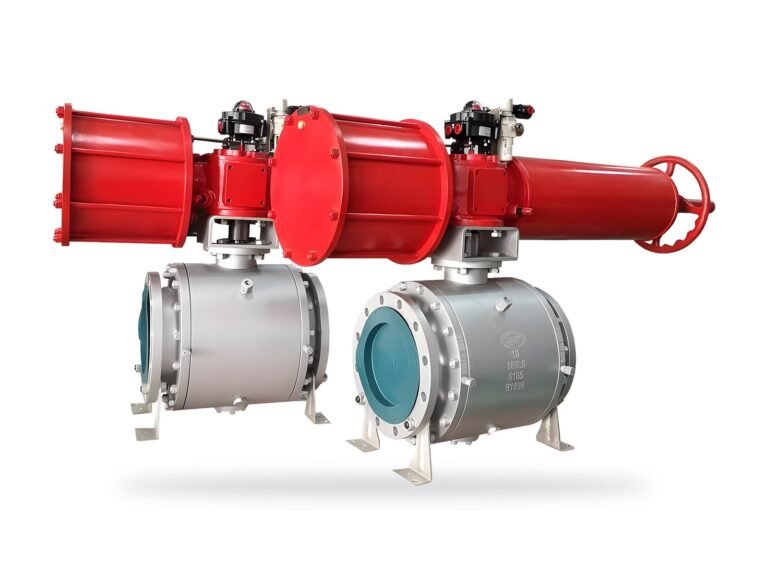
Actuated Valves
Pneumatic and electric actuated valve packages; ISO 5211, NAMUR and ATEX options; assembled and function tested.
View detailsRequest a quote: Stainless Steel Valves
Share your valve list, datasheet or project specification. We review standards, materials and documentation line by line and return an itemized offer, with any deviation from the specification stated in writing.