
Industrial Butterfly Valves
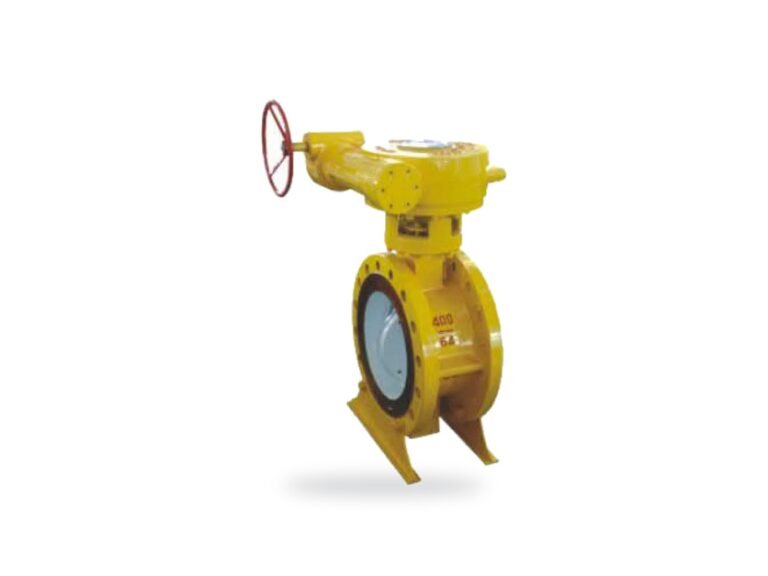
In a triple offset butterfly valve, the conical seat geometry adds a third offset to the two offsets of the stem axis, so the disc contacts the seat only at the moment of closing, without rubbing. Metal-to-metal sealing, high-temperature capability and long service life are achieved together.
Overview
Because there is no rubbing, the seat does not wear, torque stays low and the valve remains tight for a long time on frequently operated lines. The sealing ring can be laminated (metal and graphite layers) or solid metal. The valve is used on steam, hot oil, hydrocarbon, high-temperature gas and (with suitable materials) cryogenic lines; its metal-to-metal design suits fire-safe duty, certified by API 607 / ISO 10497 type testing. For selection criteria, see our triple offset butterfly valve selection guide.
Technical specifications
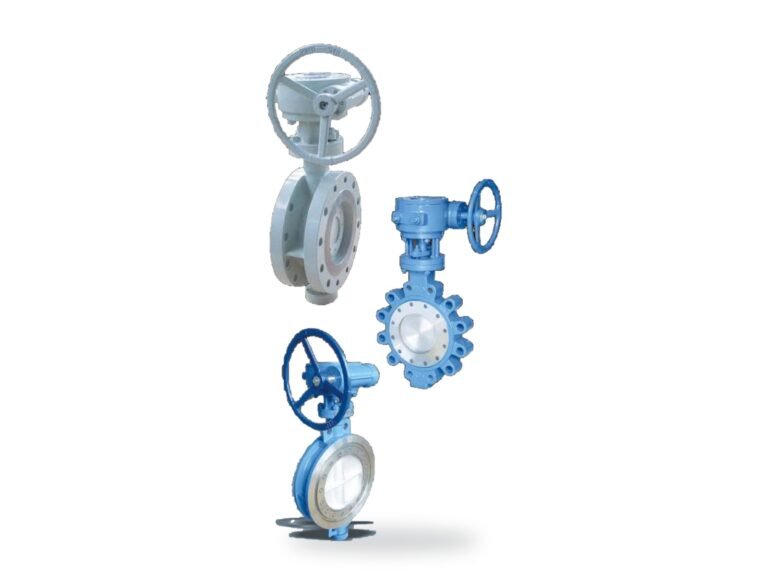
| Type | Wafer, lug, double-flanged, butt-weld |
|---|---|
| Pressure class | ASME Class 150, 300, 600; higher classes on request |
| Sealing | Laminated or solid metal ring; metal-to-metal |
| Flanges | ASME B16.5; ASME B16.47 Series A/B above 24″ |
| Materials | WCB, LCC, CF8M, duplex; nickel alloys such as Alloy 625 on request |
| Operation | Gear operator, pneumatic or electric actuator |
Key features
- Friction-free closing, low torque
- Near-zero leakage (metal-to-metal)
- Fire-safe design (API 607 type-tested options)
- Light and compact in large sizes
Catalog data
| Size and class | 3″–48″ (DN80–DN1200), Class 150–600; larger sizes on a project basis |
|---|---|
| Body type | Wafer, lug, double flanged; flange dimensions to ASME B16.5 / B16.47 |
| Design | API 609 Category B; metal-to-metal, laminated (metal + graphite) seal ring |
| Sealing | ANSI/FCI 70-2 Class V or API 598 metal-seated leakage criteria; bidirectional sealing design option |
| Materials | WCB, LCC, CF8M, duplex; also nickel alloys and aluminum bronze |
| Operation | Gear operator, pneumatic, electric or hydraulic actuator |
Documentation and testing
On industrial projects the documentation package matters as much as the valve. We confirm the certificate and test scope for every line item at quotation stage:
- EN 10204 3.1 material certificates for pressure-retaining and wetted parts, traceable by heat number
- EN 10204 3.2 with third-party inspection, on request
- Pressure test reports to API 598 or EN 12266-1: shell, seat and, where specified, gas tests
- Fire-test certificates (API 607 / ISO 10497) for fire-safe type-tested designs
- PMI reports for alloy and stainless materials
- Dimensional, visual and coating inspection records
- PED 2014/68/EU CE declaration for equipment within its scope
- NACE MR0175 / ISO 15156 compliance statement for sour (H₂S) service
Technical datasheet
Frequently Asked Questions
Is a triple offset butterfly valve bidirectional?
Most triple offset valves have a preferred pressure direction, in which they give the best sealing performance. The allowable differential pressure in the reverse direction depends on the design and is stated in the quotation.
What is the difference between laminated and solid sealing rings?
A laminated ring consists of metal and graphite layers; its flexibility gives good sealing and fire resistance. A solid metal ring is more durable in abrasive and very high-temperature service.
Related products
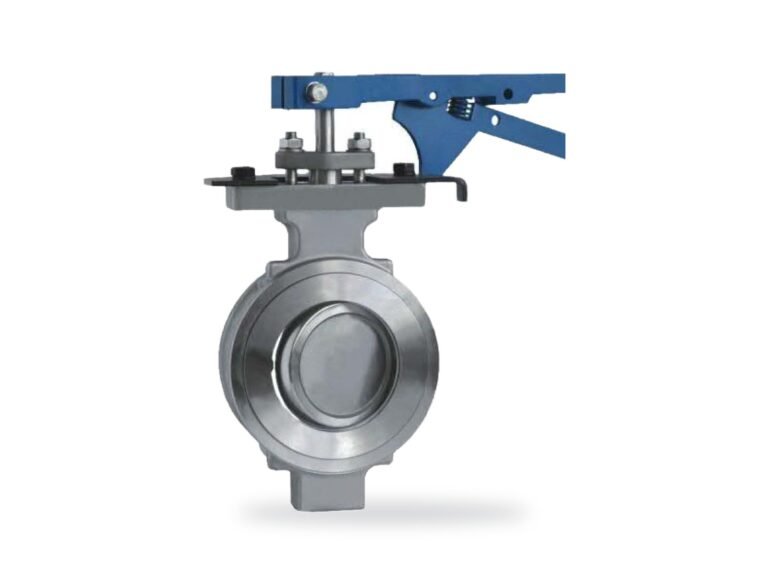
High Performance Butterfly Valve
Double offset; RPTFE, metal and fire-safe seats; Class 150–600.
View details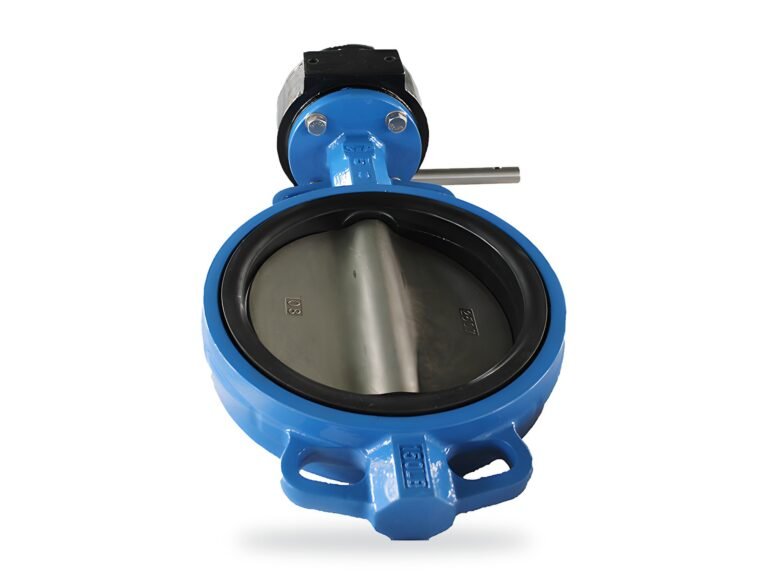
Rubber-Lined Butterfly Valve
2″–60″, PN10–PN16; EPDM, NBR or FKM liner; wafer, lug and double-flanged.
View detailsRequest a quote: Triple Offset Butterfly Valve
Share your valve list, datasheet or project specification. We review standards, materials and documentation line by line and return an itemized offer, with any deviation from the specification stated in writing.