Selecting the right fire protection valves is critical for ensuring the safety and code compliance of any sprinkler or standpipe system. Whether you are designing a new fire suppression network for a commercial building in Toronto or retrofitting an existing system in Vancouver, understanding the different valve types, certifications, and application requirements will help you make informed decisions that protect lives and property.
Fire protection systems in Canada and the United States must comply with strict codes set by the National Fire Protection Association (NFPA). Codes such as NFPA 13 for sprinkler installation, NFPA 14 for standpipe and hose systems, NFPA 20 for fire pump installations, and NFPA 25 for inspection, testing, and maintenance all specify requirements for the valves used within these systems. Choosing valves that meet these standards is not optional; it is a legal and life-safety requirement.
Understanding Fire Protection Valve Types
Fire protection systems rely on several key valve types, each serving a specific function within the piping network. The most common fire protection valves include OS&Y gate valves for system isolation, butterfly valves for flow control in larger pipe sizes, check valves to prevent backflow, alarm check valves for wet sprinkler systems, and pressure-reducing valves for high-rise standpipe applications.
OS&Y Gate Valves
Outside screw and yoke (OS&Y) gate valves are the industry standard for fire protection system isolation. These valves provide a clear visual indication of whether the valve is open or closed based on the stem position, which is a critical safety requirement under NFPA 13 and NFPA 25. When selecting OS&Y gate valves, ensure they carry UL Listed and FM Approved certifications. Available in sizes from 2 inches to 12 inches, these valves handle working pressures up to 300 PSI, making them suitable for most commercial and industrial fire protection applications across Canada.
For high-rise buildings in cities like Toronto, Montreal, and Calgary, OS&Y gate valves are installed at each floor control valve assembly. The rising stem design allows fire inspectors and building maintenance personnel to verify valve position from a distance without physical contact, which streamlines NFPA 25 quarterly inspection requirements.
Butterfly Valves for Fire Protection
UL/FM listed butterfly valves serve as an alternative to gate valves in fire protection systems, particularly in larger pipe sizes where gate valves become impractical due to weight and cost. Butterfly valves from 2 inches to 12 inches are commonly used in fire pump suction and discharge piping, sprinkler system risers, and underground supply mains. Their compact design and quarter-turn operation make them faster to operate than gate valves during emergency situations.
When specifying butterfly valves for fire protection, always verify the valve carries a UL Listed mark with a specific listing for fire protection service. Standard industrial butterfly valves are not acceptable substitutes, even if they meet pressure and temperature ratings. The internal components, seat materials, and supervisory switch provisions on fire-rated butterfly valves differ significantly from their commercial counterparts.
Check Valves and Alarm Check Valves
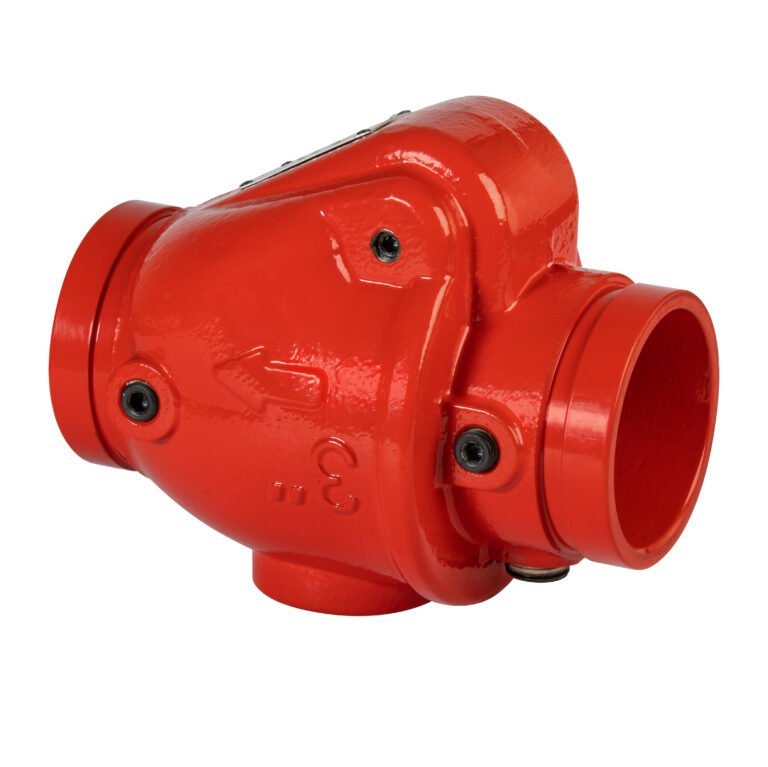
Check valves prevent backflow in fire protection piping, ensuring water flows only in the intended direction. In wet sprinkler systems, alarm check valves serve a dual purpose: they prevent backflow while also triggering a water-flow alarm when the system activates. Swing check valves, wafer check valves, and double-door check valves are all used in different locations within fire protection systems depending on pipe orientation, available space, and pressure requirements.
For fire pump installations governed by NFPA 20, a listed check valve on the pump discharge prevents water from flowing back through the pump when it shuts down. This check valve must be specifically listed for fire protection service and sized to match the pump discharge pipe diameter.
Pressure-Reducing Valves (PRVs)
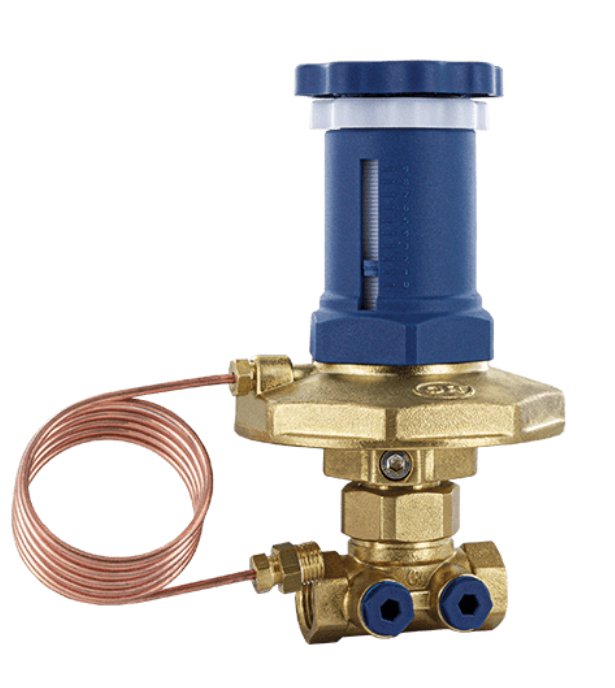
High-rise buildings often require pressure-reducing valves on standpipe systems to limit residual pressure at hose connections to safe levels for firefighters. NFPA 14 requires that residual pressure at any standpipe hose connection does not exceed 175 PSI. PRVs installed at lower floors of tall buildings reduce the static pressure created by the water column above, protecting both equipment and personnel. These valves require annual testing under NFPA 25 and should be specified with field-adjustable pressure settings to accommodate system modifications over the life of the building.
Certifications That Matter: UL Listed vs. FM Approved
Every valve installed in a fire protection system must carry appropriate third-party certifications. The two primary certifications recognized across North America are UL Listed (Underwriters Laboratories) and FM Approved (Factory Mutual). While both certifications confirm a valve meets rigorous fire protection performance standards, there are differences worth understanding.
UL Listed valves have been tested against UL standards and are listed in the UL Product iQ database. FM Approved valves have been tested by FM Global research division against FM standards and appear in the FM Approvals Guide. Many jurisdictions in Canada accept either certification, and many valve manufacturers carry both. However, some insurance carriers and authorities having jurisdiction (AHJs) may have preferences. Always confirm with your local AHJ and insurance underwriter before finalizing valve specifications.
NFPA Code Requirements for Valve Selection
Understanding which NFPA codes apply to your project is essential for proper valve selection. NFPA 13 governs the installation of sprinkler systems and requires listed indicating-type valves at all system control points. Each sprinkler system riser, floor control valve, and sectional valve must be equipped with a valve that provides clear open or closed indication. Supervisory switches connected to the fire alarm system ensure that any unauthorized valve closure triggers an alert at the monitoring station.
NFPA 14 covers standpipe and hose systems, requiring listed indicating-type valves and pressure-reducing devices where static pressure exceeds code limits. NFPA 20 addresses fire pump installations and specifies requirements for suction and discharge valves, including relief valves to protect pumps from overpressure. NFPA 25 provides the inspection, testing, and maintenance framework for all these valves throughout their service life.
Sizing and Pressure Considerations
Proper valve sizing ensures adequate flow to sprinkler heads and standpipe connections during a fire event. Undersized valves create excessive pressure drop, reducing system performance at the point of discharge. Oversized valves add unnecessary cost and weight. Work with your fire protection engineer to calculate hydraulic demands and select valves that match the required flow rates with minimal friction loss.
Pressure ratings must account for both static and dynamic conditions. A building fire protection system may experience pressures ranging from normal municipal supply pressure of 40 to 80 PSI in most Canadian cities to fire pump boosted pressures exceeding 200 PSI. Select valves with pressure ratings that provide adequate safety margin above the maximum anticipated working pressure.
Installation Best Practices for Canadian Projects
Canadian fire protection projects face unique challenges including cold climate considerations, seismic requirements in British Columbia, and bilingual labeling requirements in Quebec. When installing valves in unheated spaces or areas exposed to freezing temperatures, consider dry-type systems with appropriate dry valve assemblies. Valves in seismic zones must be installed with proper bracing and flexible connections per NFPA 13 seismic provisions.
Accessibility is another critical installation consideration. NFPA 25 requires regular inspection and testing of all control valves, check valves, and pressure-reducing valves. Install valves in accessible locations with adequate clearance for maintenance. Post identification signs at each valve indicating its function and the system it controls.
Choosing the Right Valve Supplier
Partnering with a knowledgeable valve supplier simplifies the specification and procurement process. Look for a supplier that stocks a full range of UL Listed and FM Approved valves, maintains inventory in Canada for fast delivery, provides technical support for valve selection and sizing, and understands the specific code requirements that apply to your province or territory.
Valve Atlas supplies a complete range of fire protection valves for sprinkler, standpipe, and fire pump systems across Canada and the United States. Our inventory includes OS&Y gate valves, UL/FM butterfly valves, check valves, alarm check valves, and pressure-reducing valves from leading manufacturers. Contact our technical team for project-specific valve recommendations and competitive pricing on your next fire protection project.