Why Increasing ΔP Causes Buzzing / Whistling Noise in HVAC Piping
Buzzing, whistling or high-pitched noise in hydronic HVAC systems is one of the most common
field complaints in both new and existing buildings.
This article explains the mechanical reason behind it:
excessive differential pressure (ΔP) across valves, fittings and terminal devices.
1. What Is ΔP in a Hydronic System?
ΔP (differential pressure) is the pressure difference between two points in a piping system.
In hydronic HVAC applications, it typically appears across:
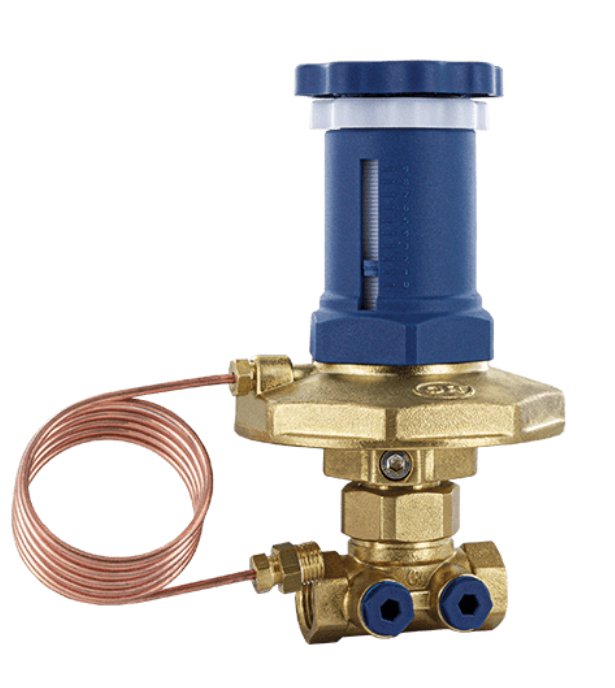
- Control valves and PICVs
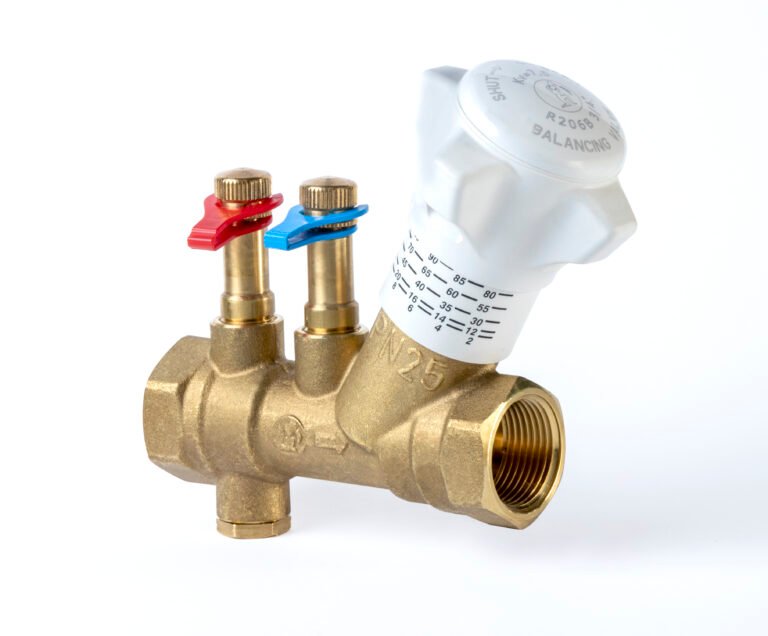
- Balancing valves
- Strainers and filters
- Terminal units (fan coils, AHUs, radiators)
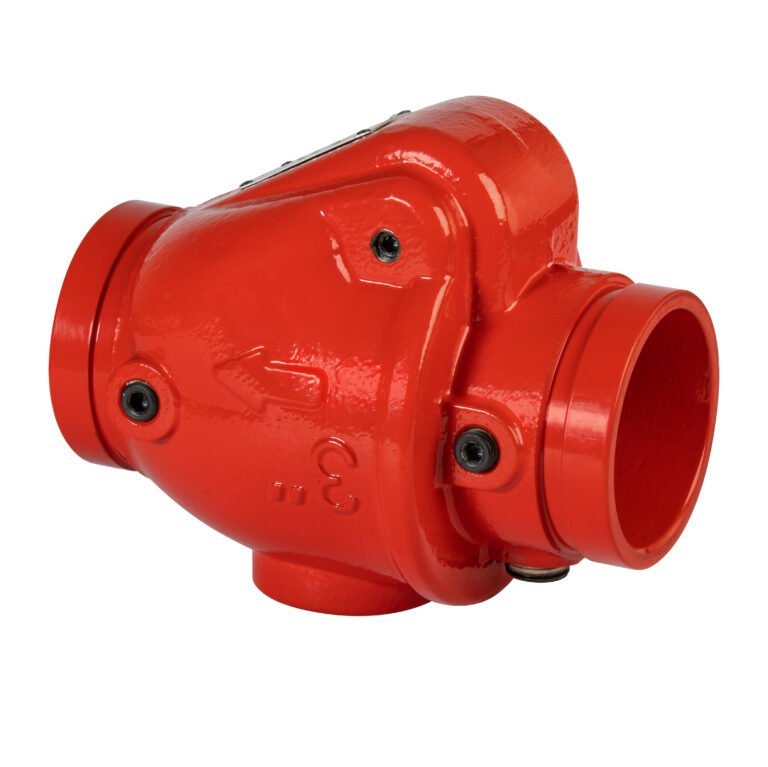
- Check valves
Every component needs a certain ΔP to operate correctly.
Problems begin when the available ΔP is
much higher than the component was designed for.
If you want the sizing logic behind this, see
Cv/Kv & valve pressure drop basics.
2. Why High ΔP Creates Noise
When ΔP increases, velocity through valve ports and restrictions also increases.
This leads to several noise-generating mechanisms:
- High-velocity jetting through partially closed valve seats
- Turbulence downstream of control elements
- Vibration of valve internals (disc, plug, stem)
- Flow-induced resonance in piping and fittings
The result is the familiar buzzing, whistling or hissing sound
often reported by occupants or facility staff.
Noise complaints usually increase after partial load operation begins — for example when VFD control is enabled,
zones close, or terminal valves modulate. This is also where proper ΔP control strategies matter most.
3. Common Situations That Push ΔP Too High
| Situation | Typical Result |
|---|---|
| Oversized pump / aggressive VFD setpoint | Excess ΔP at part load → valve noise |
| No differential pressure control valve | Terminal valves see too much available head |
| Poor balancing / branches short-circuit | Some zones get high ΔP → whistling at valves |
| Clogged strainers | Local turbulence + flow noise (sometimes “screaming”) |
| Check valve flutter / wrong selection | Disc vibration, rattling or buzzing (esp. near pumps) |
For pump-related noise and check valve stability, see:
Swing check valves on pump discharge.
4. Why Noise Often Appears at Part Load
When flow demand drops but pump head remains high:
- Control valves throttle harder
- Local ΔP across valve seats increases
- Velocity and turbulence rise sharply
In other words, the system becomes hydraulically aggressive at low load — exactly when buildings operate most of the year.
5. Practical Ways to Reduce ΔP-Related Noise
- Use differential pressure control valves to cap available ΔP
- Apply PICVs where variable-flow is expected
- Optimize pump control (setpoints, trimming, VFD tuning)
- Verify strainer selection and maintenance (clogging = local ΔP spikes)
- Select check valves designed for stable closure (avoid flutter)
If your issue is pressure regulation (not only hydronic control), read:
Pressure reducing valves (PRVs) explained.
Noise is rarely “just an acoustic issue”. It is usually a sign of poor hydraulic control, wasted pumping energy,
and unstable valve operation.
6. How This Connects to Valve Selection
ΔP-related noise ties directly to Cv/Kv sizing, valve authority, and check valve stability.
If you want the full technical foundation, start here:
Pressure Drop in Valves (Cv/Kv explained).
Pressure Drop in Valves: Why It Matters (Cv/Kv Explained)
It is intended for engineering guidance and troubleshooting, not as a substitute for project-specific design review.